
Committee backs HJR 15 to give courts new sanction option and faster protection for government attorneys
Get AI-powered insights, summaries, and transcripts
Sign Up Free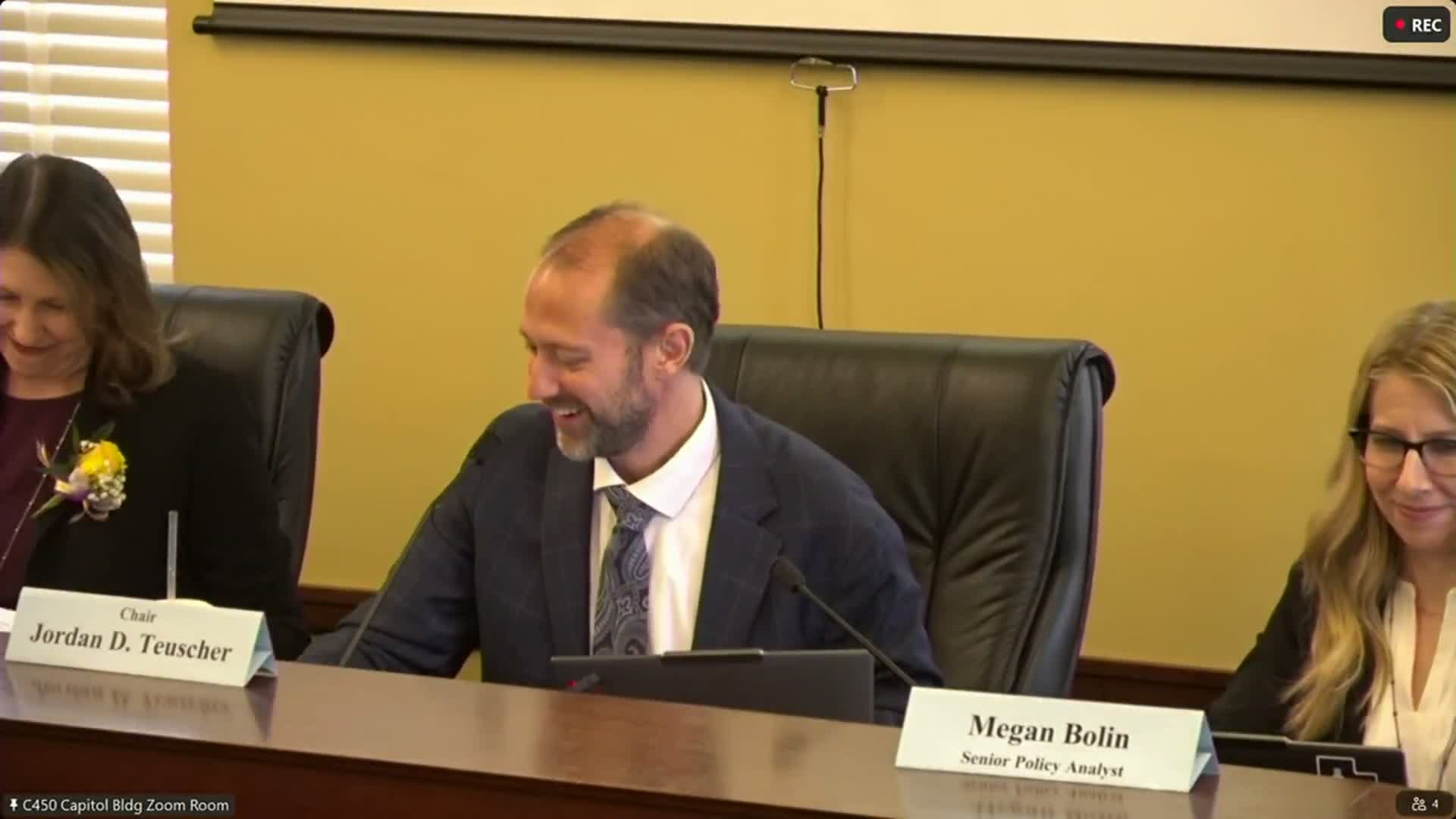
Summary
The House Rules Committee unanimously adopted a first substitute and favorably recommended HJR 15, which adds a charitable-contribution sanction option under Rule 11 and creates a faster dismissal and fee remedy under Rule 41 for attorneys sued for representing government entities.
The House Rules Standing Committee on Feb. 12 unanimously adopted the first substitute and favorably recommended House Joint Resolution 15, a rule change package that amends Rule 11 (sanctions for misrepresentations to the court) and Rule 41 (dismissal procedures).
Sponsor Representative Anthony E. Loubet told the committee Rule 11 currently allows courts to impose sanctions but that judges have sometimes been reluctant to use available remedies. HJR 15 adds an option for courts, when appropriate, to require that sanctioned parties make charitable contributions to nonprofit organizations that provide free or low-cost legal assistance, provided the court approves and the nonprofit is independent of the judiciary.
On dismissals, the resolution instructs that when a party sues an attorney because they represented a governmental entity, the attorney may file a motion to dismiss the suit quickly; if the court finds bad faith by a preponderance of the evidence, the court may award attorney fees to the injured party to deter such suits.
Public commenter Seth Stewart urged the committee to consider access-to-justice implications, saying he worried mandatory-fee awards or mandatory charity could chill plaintiffs’ willingness to bring meritorious claims. "I’m concerned about a chilling effect this could have on access to justice," Stewart said.
Representative Peterson moved the first substitute; the committee then moved and voted to favorably recommend HJR 15 (first substitute). The chair ruled passage unanimous on a voice vote. The sponsor and members said the changes are intended to provide courts with more meaningful options while protecting pro bono and legal-aid providers.
What’s next: HJR 15 (first substitute) advances with a committee recommendation. Drafting and implementation details, including definitions of eligible nonprofits and safeguards against unintended chilling effects, may be clarified in later stages.