Senate committee advances bill to clean up behavioral‑health provider directories and speed access to care
Loading...
Summary
The committee passed HB71 (third substitute) to improve provider directory accuracy, require updates and create single‑case access when listed providers are unavailable; stakeholders including mental‑health associations and consumer groups supported the bill while insurers warned of additional costs.
The Senate Health and Human Services Committee passed HB71 (third substitute), a measure aimed at improving accuracy in provider directories and increasing timely access to behavioral‑health care. The committee adopted the substitute and moved the bill favorably to the Senate floor.
Sponsor testimony cited legislative auditor findings that roughly 69% of provider listings were inaccurate or outdated in commercial directories and said the bill balances insurer and provider responsibilities. The proposal requires directories be updated on a regular cadence, establishes a single‑case exception allowing out‑of‑network care without additional patient cost when listed providers are unavailable, and creates a working group to develop longer‑term directory and access improvements.
Support was broad among advocacy and professional groups. Elizabeth McKnight of the League of Women Voters (SEG782) said the bill would reduce time to lifesaving care and recommended adding a patient or family member to the work group. Jessica Black, legislative chair of the Utah Mental Health Counselors Association (SEG861), described daily encounters with "ghost networks" and urged passage because the bill mandates updates and timely access. Sarah Straub of the Utah Association for Marriage and Family Therapy (SEG909) said the data collection and transparency measures are essential to replace a "data blackout" and connect families to appropriate clinicians.
Health system and insurer perspectives were mixed. Michelle Macomber of the Utah Medical Association (SEG817) said the association moved to support the amended bill. Mike with the Utah Health Insurance Association (SEG833) warned the new operational requirements could increase costs for small businesses and critiqued an exemption in the bill that would avoid financial impact on the state plan.
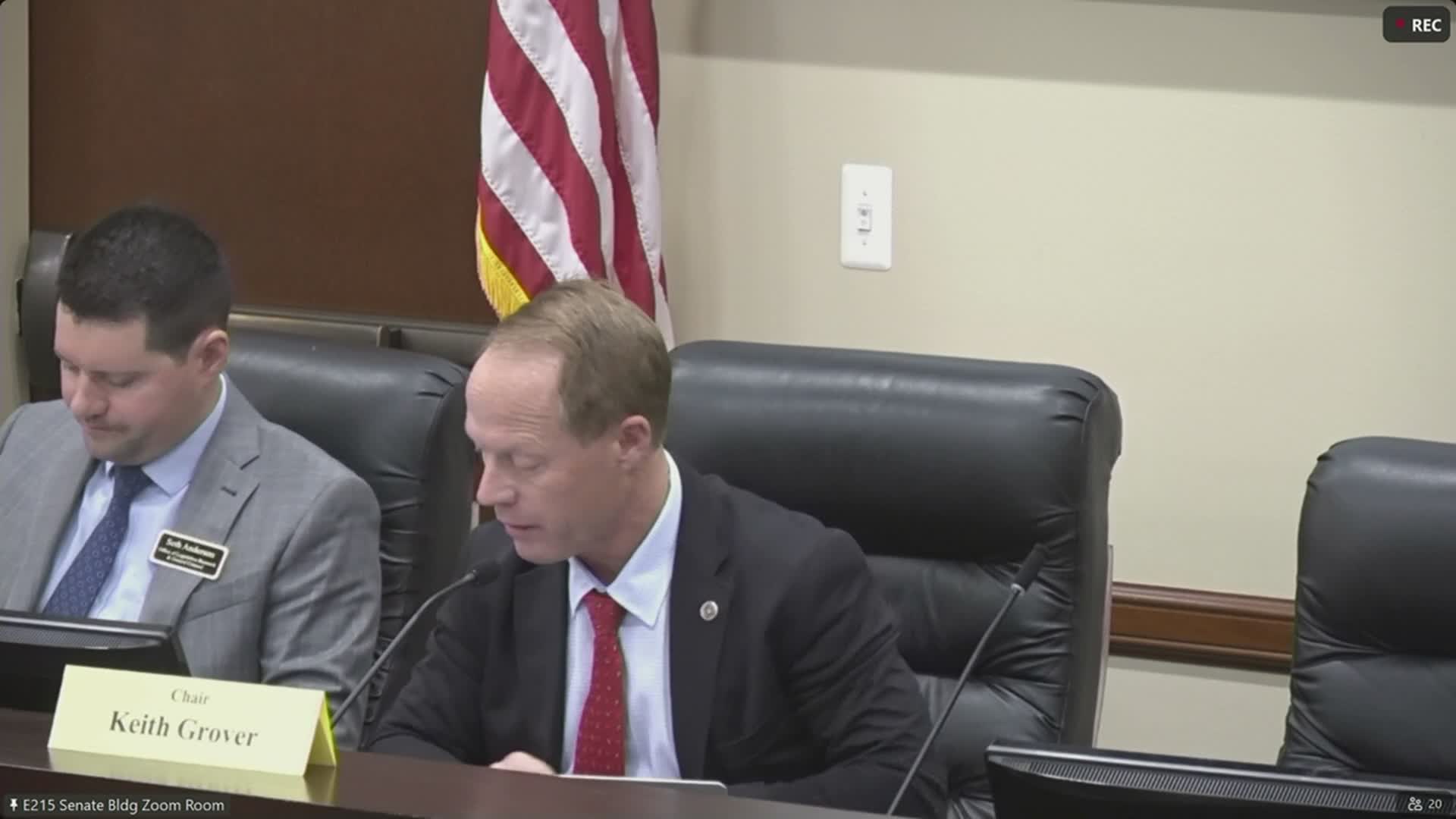
Committee members' questions focused on the bill’s potential to shift costs, the effectiveness of single‑case agreements and whether early intervention reduces downstream spending; sponsors said the working group and reporting provisions are designed to resolve such complications. The chair placed the motion and the committee passed HB71 favorably to the Senate floor.
Next steps: HB71 will proceed to the Senate floor for further consideration. The substitute concentrates on directory accuracy, single‑case access and a work group to refine implementation.