
Education committee hears Lincoln Center/TLC pitch for alternative‑education partnership and short‑term transition classroom
Get AI-powered insights, summaries, and transcripts
Subscribe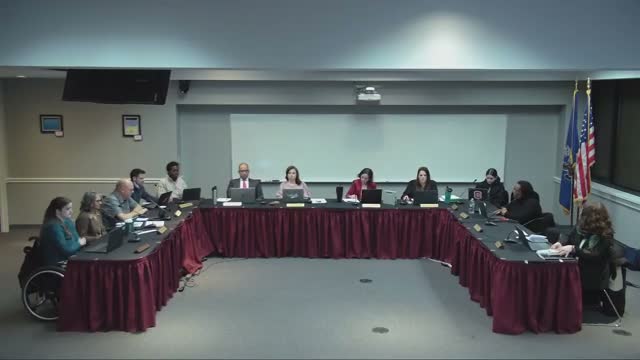
Summary
Lincoln Center (TLC Leadership Academies) presented to the Education Committee on Feb. 10 a continuation of its TLC Leadership Academy partnership and a new transition‑classroom proposal aimed at students facing short suspensions; the proposal includes academic alignment, restorative coaching, and mental‑health supports and was moved to the full board for consideration.
Lincoln Center, operating as TLC Leadership Academies, described its ongoing alternative‑education partnership with Coatesville Area School District and proposed a new short‑term "transition classroom" to serve students suspended for short periods while keeping them academically engaged.
April Thomas, chief schools officer for TLC, and site director Steve Bridal (Bridal described his background as a climate coach and alternative‑education leader) told the Education Committee the proposed transition classroom would provide academic instruction aligned to district curriculum, restorative coaching to address behavior and reintegration, and counseling and mental‑health services. The staffing model presented included a program director, two teachers and a mental‑health counselor, with all staff subject to background checks and Pennsylvania certification requirements. Thomas said TLC holds a private academic school license and is accredited by the Middle States Association.
Bridal reviewed daily operations at the existing TLC Leadership Academy site in Exton: students arrive by district transportation, go through intake, attend five 40‑minute periods before lunch and dismissal around 2 p.m., and have access to community experiences and career‑readiness activities. He said the program can offer up to eight credits per school year for credit‑deficient students and that TLC aims to return students to their sending schools when goals are met. Thomas and Bridal offered a student case study showing a formerly disconnected student who earned a pathway to graduation and a scholarship after attending TLC.
Committee members pressed for operational details — length of placement, whether a psychiatrist could be obtained when needed, whether the transition classroom would be district‑only and how staffing scales with student numbers. TLC said the transition‑classroom model (intended for placements of approximately 10 days or less) would be new for them; longer placements remain at existing TLC sites. The committee voted to move the TLC partnership and the transition classroom proposal to the full board agenda for further review, and staff noted that if accepted the district would negotiate staffing and placement details.
Public comment during the Education Committee raised concerns about community collaboration, the proposed $270/day cost figure, and the district’s existing capacity to serve students in‑district rather than through external providers.