
Rhode Island Supreme Court rules DCYF must bear tuition for regular-education placements, legal counsel says
Get AI-powered insights, summaries, and transcripts
Subscribe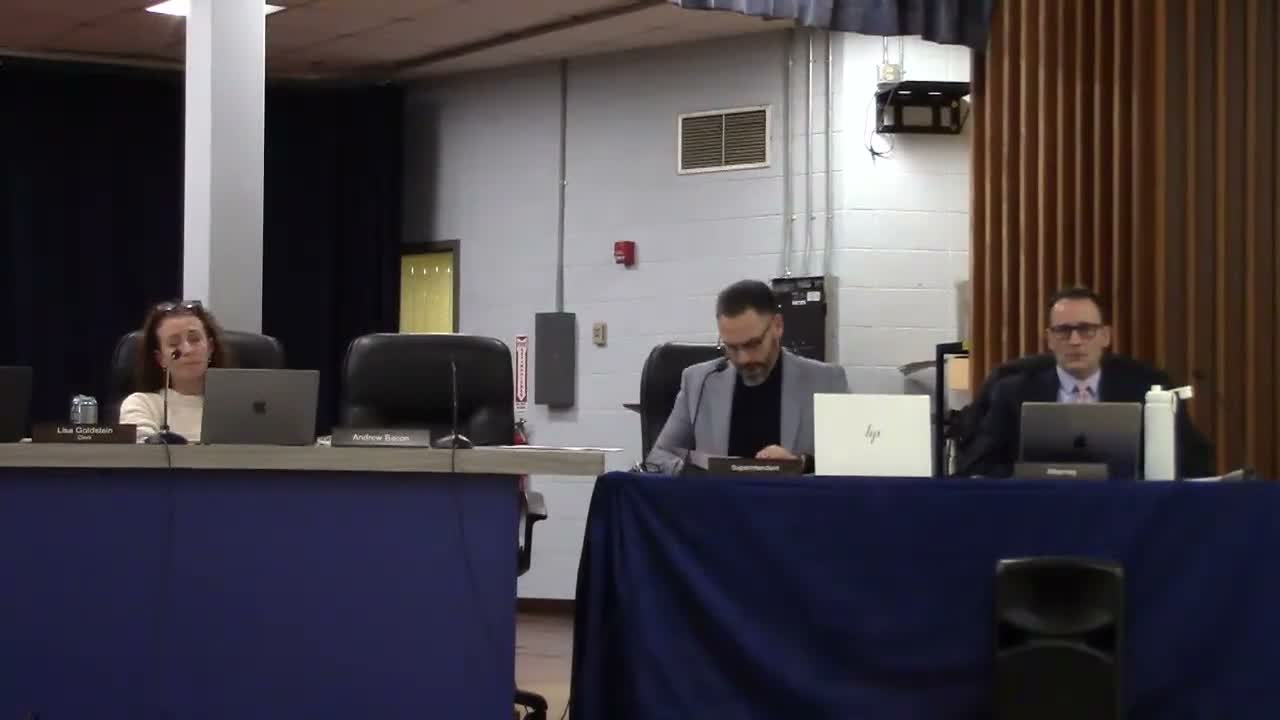
Summary
Cumberland School Committee legal counsel told the committee the Rhode Island Supreme Court ruled that school districts are not required to pay tuition for students placed by DCYF when those students are regular-education students, a decision the counsel described as relieving a statewide financial burden.
Mister Adams, the committee’s legal counsel, told the Cumberland School Committee on Feb. 12 that the Rhode Island Supreme Court recently resolved a case the district brought against the Rhode Island Department of Education, deciding that districts need not pay tuition for students placed by the Department of Children, Youth, and Families when those students are regular-education students.
“The Supreme Court found that no school department in the state of Rhode Island has to pay any tuition for a student who is placed by the Department of Children, Youth, and Families when that child is a regular education student,” Mister Adams said, summarizing the court’s holding. He said the litigation began in 2019 and concluded with the recent decision, which he described as removing “an unfair financial burden” on Cumberland and other districts.
Adams told the committee the issue arose because DCYF placements were sometimes billed to school districts using a “special education” rate regardless of the child’s actual educational needs. He said those rates varied widely among districts — citing Cumberland figures that, during the contested years, ranged roughly from $60,000 to $75,000 per year — and that multiple concurrent placements could generate six-figure bills. “It was $300,000 bill for students who weren't receiving special education,” Adams said in explanation of past fiscal exposure.
Adams said the court’s interpretation rests on the statute’s language, which, he said, authorizes payment only for special-education students. He added that DCYF’s primary purpose in placing children is child welfare rather than educational placement and that the state must shoulder costs for non–special-education placements. “These students are not receiving special education. We should not have to pay a special education rate,” he said.
Committee members thanked Adams and staff for pursuing the case. Miss Smith said the outcome reflected years of effort by district staff and former special education director Rachel Santa. Adams characterized the ruling as beneficial to Cumberland and to school departments across Rhode Island.
What happens next: Adams said the decision removes the obligation for these tuition charges going forward; he offered to answer follow-up questions but provided no additional specific figures about refunds or retroactive reimbursements during the public update.
Provenance: legal update delivered to the committee during the 02/12/2026 meeting (topic introduced at the legal update segment).