Get Full Government Meeting Transcripts, Videos, & Alerts Forever!
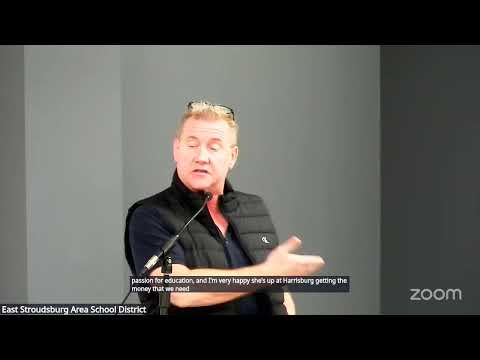
East Stroudsburg outlines large budget shortfalls, debt service and capital needs
Summary
Superintendent reported multi-million-dollar deficits (previous year actual deficit ~ $10.2M; current-year projected deficit reduced from ~$26.5M to ~$16M after debt restructuring and additional state revenue) and warned the district's fund balance is being rapidly consumed; board discussed debt-service cliffs and capital projects funding constraints.
Superintendent presented a district-level budget briefing that highlighted structural pressures and multi-year capital needs. For the 02/24/25 school year the district anticipated revenue near $186 million and expenditures near $203 million (an approved deficit around $17.4 million). The AFR showed an actual deficit of roughly $10.2 million for that year.
For the current fiscal year the superintendent reported an approved budget with revenues of about $187.5 million and expenditures of…
Already have an account? Log in
Subscribe to keep reading
Unlock the rest of this article — and every article on Citizen Portal.
- Unlimited articles
- AI-powered breakdowns of topics, speakers, decisions, and budgets
- Instant alerts when your location has a new meeting
- Follow topics and more locations
- 1,000 AI Insights / month, plus AI Chat