Review finds aging apparatus, volunteer decline and funding disparities; recommends regional options for Forsyth County fire system
Loading...
Summary
A county‑commissioned fire‑system study summarized to the board found 33 large apparatus at or older than 20 years, a steady drop in volunteer numbers, and funding disparities across jurisdictions. Recommendations include overlay funding for capital, regionalized coverage options and shared purchasing to improve equity and sustainability.
County staff and the consultant team presented an executive summary of a draft fire‑system study to the Forsyth County Board of Commissioners, describing a system under stress and a set of broad recommendations for long‑term resilience.
Deputy County Manager Kyle Haney told commissioners the draft — more than 650 pages in full — examined performance, facilities, apparatus and equipment, department finances, staffing (including volunteers), and station‑location analysis. Haney said a key finding is that 33 large fire apparatus are about 20 years old or older and nearing replacement thresholds under NFPA guidance, resulting in a projected capital need in the tens of millions.
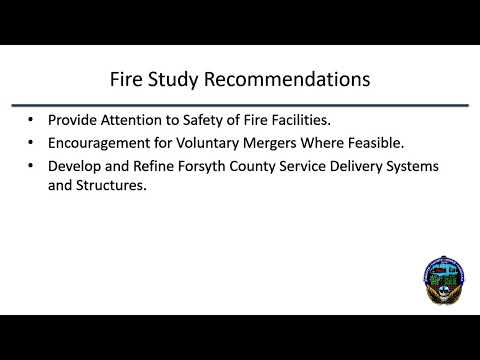
The study also documented a steady decline in volunteer numbers — Haney cited a roughly 5% annual reduction in volunteers over the past seven years — and growing disparities in funding across the county’s multiple fire tax jurisdictions. To address those challenges the study recommended seven high‑level approaches, including: prioritizing the county’s most critical service‑delivery needs and apparatus replacement; considering changes to the funding model (including use of the county’s overlay tax district for capital needs); evaluating municipal closest‑station coverage and targeted contracting where appropriate; planning for increased career firefighter staffing where volunteerism declines; encouraging voluntary mergers where feasible; standardizing equipment and purchasing; and developing system‑level service‑delivery standards and asset ownership approaches.
Haney said the fire commission will review the draft study and make recommendations to the board; staff emphasized many of the recommendations will require staged work and additional study rather than immediate, system‑wide changes.
Provenance: presentation and executive summary provided to commissioners and fire commission members during the work session.