Get Full Government Meeting Transcripts, Videos, & Alerts Forever!
Get email alerts on the Mental Health And Traditional Healing topic
No spam. Unsubscribe anytime.
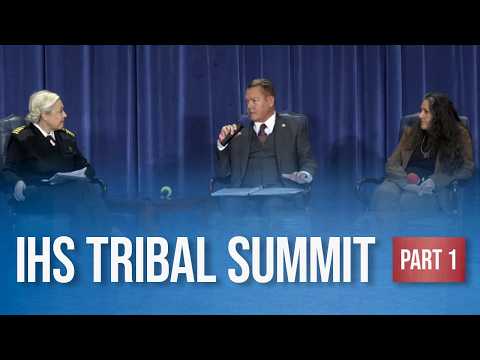
Mental‑health panel at IHS summit highlights traditional healing, family‑centered models and suicide prevention
Summary
At the summit's mental‑health panel, former IHS directors and tribal health leaders discussed elevating behavioral health, youth suicide prevention initiatives, integrating traditional healing into care, and family‑centered treatment models with promising preliminary outcome data.
Speakers at the summit's mental‑health panel stressed that culturally grounded practices, family‑centered programming and tribal leadership have been central to sustaining behavioral health gains in Indian country.
Dr. Charles (panelist identified in introductions) described prioritizing behavioral health, chronic care management and health promotion during his tenure and recounted establishing a national suicide prevention initiative and area‑level intervention programs. He said the interventions helped communities respond to clusters of suicides and make prevention a national priority.
Esther Lucero (Seattle Indian Health Board, filling in for the organization's executive vice president) and other panelists described community practices such as "Family Saturdays," drum circles and traditional medicine integration, reporting strong operational results: Lucero cited program data showing a 76 percent reduction in suicidal ideation among high‑risk participants who had access to traditional Indian medicine, and declines in depression, anxiety and substance use among participants over three years.
Panelists tied these outcomes to sustained investment and policy support—including SDPI history for prevention funding—and urged greater reimbursement and system recognition for traditional healing practices. Dr. Yvette Rubedo and others described efforts to get traditional medicine integrated and available in facilities and noted examples of tribes elevating mental wellness within tribal government structures.
Why it matters: Panelists said culturally rooted, family‑based and community‑led approaches can reduce suicidal ideation and substance use, lower no‑show rates for services, boost vaccination and treatment uptake, and should be considered for broader reimbursement and scaling efforts.
Next steps: Panelists invited continued tribal‑federal collaboration on funding, training behavioral health aides and expanding culturally based residential and outpatient programs; the summit scheduled further sessions and the secretary's remarks later in the day.