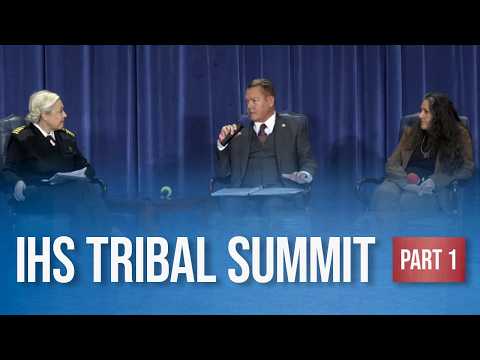
IHS summit panel spotlights community‑led prevention and the Special Diabetes Program for Indians
Loading...
Summary
IHS panelists stressed taking care to communities through programs such as SDPI, mobile units, telehealth, community health representatives and screenings; panelists urged expansion of workforce pipelines (scholarships/loan repayment) and culturally tailored facility design.
Panelists at the Indian Health Service 70th‑anniversary summit outlined a series of community‑centered prevention strategies that IHS and tribal partners say have driven measurable improvements.
"It is their hospital. It is their gathering place," said Dr. Loretta Christiansen, describing community engagement used in planning a new hospital in White River, Ariz. She urged integrating tribal customs and culturally welcoming design into IHS facilities and noted trauma‑informed care training for staff.
A.C. Locklear of the National Indian Health Board said prevention starts in community settings and pointed to community health workers, school‑based clinics, mobile units and telehealth as approaches that reduce barriers to care. "When tribes and tribal communities are given control to be able to initiate programs to really address things like diabetes, diabetes prevention in a way that really works for their community, we see how successful that has been for decades," Locklear said, citing the Special Diabetes Program for Indians (SDPI) as a key example.
Dr. Yvette Rubedo, a former IHS director, highlighted workforce incentives that aim to recruit providers into the system, including the IHS scholarship and the Indian Health Service Loan Repayment Program. She said those programs help providers stay longer in tribal communities and called for more competitive salaries and appropriations for facilities.
Programs cited: panelists described community‑based colorectal cancer screening pilots, self‑monitoring blood pressure distributions (over 1,000 devices in the agency), community outreach teams conducting screenings and follow‑up after discharges, and a renewed emphasis on culturally tailored messaging to increase uptake of preventive services.
Why it matters: Panelists tied cultural alignment and community leadership to better outcomes in prevention and screening, and they recommended scaling community‑based models, strengthening partnerships across HHS agencies, and expanding workforce pipelines to sustain access.
Next steps: Panelists said these initiatives would be replicated and scaled where feasible and discussed rolling out annual wellness visits and expanding community‑led screening programs across IHS sites.