
Committee approves H.660 (v.6.1) with opioid recovery and prevention appropriations
Get AI-powered insights, summaries, and transcripts
Sign Up Free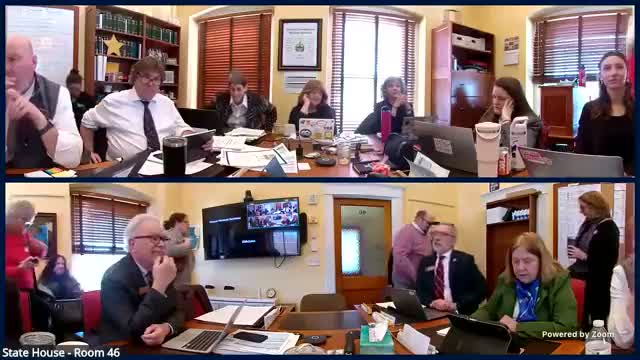
Summary
The committee approved Version 6.1 of H.660 after counsel described reorganized opioid‑abatement and substance misuse prevention appropriations, including $900,000 and $300,000 for recovery residence beds and multiple youth/prevention grants funded from the substance misuse prevention special fund.
The House committee advanced H.660 (Version 6.1) after a line‑by‑line overview from legislative counsel and a roll‑call approval. The draft reorganizes opioid‑abatement language, clarifies intent for annual funding of recovery residences from the opioid abatement special fund, and adds appropriations from the substance misuse prevention special fund.
Legislative counsel summarized the change in intent language: "It is the intent of the General Assembly that recovery residences be funded annually by the opioid abatement special fund unless and until the special fund does not have sufficient monies to fund this expenditure," language counsel noted was now repeated in multiple subdivisions to avoid tying allocations to a single fiscal year.
Members clarified two recovery‑residence appropriations: $900,000 to the Department of Health to create new recovery‑residence beds for level‑3 (or higher) beds, and $300,000 to create new NARR‑certified recovery‑residence beds in Brattleboro, Middlebury, Addison, Randolph, Chester, St. Albans or other identified regions. Counsel and members also confirmed the intention that those beds be NARR certified where specified.
The draft also directs FY27 appropriations from the substance misuse prevention special fund, including $288,935 to the Department of Health for an "Elevate" youth drop‑in center and related peer/recovery supports; $124,999 to Greater Falls Connections to expand youth engagement and prevention staffing; $200,000 to Friends for Change (Windsor County) for community‑based therapy, housing crisis and recovery supports for youth; and $26,697 to Winooski Partnership for Prevention for in‑school medicine safety education.
Committee members asked whether the substance misuse prevention fund included cannabis excise tax revenue (Sec. 48.12). Counsel confirmed the special fund is managed by the Department of Health and receives up to 30% of designated cannabis excise tax receipts, subject to statutory caps.
Chair Theresa Wood moved to approve Version 6.1 of H.660; the clerk called the roll and recorded 'Yes' responses from multiple representatives. Representative Steady was assigned to report the bill on the House floor.
The committee approved the draft as its recommended version for the next steps in the legislative process; members were reminded to submit recommended language and supporting materials to staff prior to the forthcoming holiday deadline.