
Analysts: Juan Pablo Guanipa briefly freed, then re‑detained amid signs of chavista infighting and U.S. pressure
Get AI-powered insights, summaries, and transcripts
Subscribe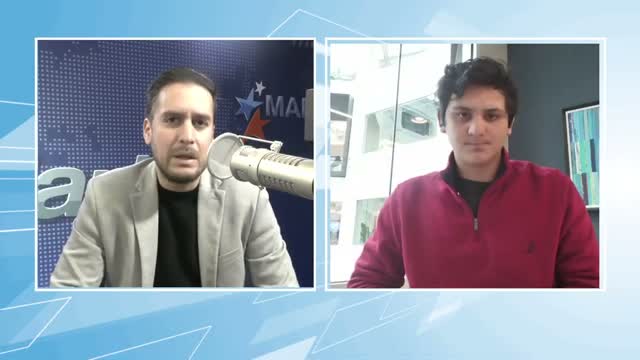
Summary
In a Radio TV Martí interview, analyst Daniel Chan described the brief release and rapid re‑detention of opposition leader Juan Pablo Guanipa, saying he was intercepted by an armed group and later placed under house arrest after U.S. pressure. Chan framed the episode as evidence of internal divisions within the chavista leadership.
Emmanuel Rincón, host of Radio TV Martí, asked guest analyst Daniel Chan about recent developments in Venezuela after a high‑profile sequence of detentions and releases involving opposition leader Juan Pablo Guanipa. Daniel Chan said Guanipa was initially detained last year, briefly released, and then again taken into custody before being shown under house arrest.
Chan said the recapture appeared to be carried out by a nonofficial group. "Fue interceptado por un grupo paramilitar ... no se presentaban como oficiales ni funcionarios," he said, describing an operation by roughly 10 people arriving in several cars. Chan added that Guanipa was missing for about two days before reappearing under house arrest.
Why it matters: Chan framed the episode as politically significant because it demonstrated both the regime's continued use of coercive forces and the impact of external pressure. "Afortunadamente y también gracias a presiones de senadores como Rick Scott, Juan Pablo fue puesta en casa por cárcel," Chan said, suggesting U.S. diplomatic attention shaped the outcome.
Chan argued the incident exposed tensions within the chavista leadership. He repeatedly named Diosdado Cabello and Delcy Rodríguez as rival centers of influence, describing the capture as poorly coordinated and possibly a show of force by one faction to reassert authority. "Parecía más una especie de juego de poder interno entre Diosdado y Delcy," he said.
The program also placed the incident in a larger context of growing street mobilization. Rincón noted recent demonstrations, saying about 1,000 people marched in some locations to demand release of political prisoners; Chan said images of communities welcoming freed detainees are politically damaging for the regime and could embolden further protests.
Reporting limitations and sourcing: The interview is an analyst's account based on contacts and public reporting; Chan characterized details (for example, the number of people involved in the interception and the actors' motives) as his understanding. Radio TV Martí identified Chan as an economist and political scientist; the program did not present prosecutorial or court records during the segment.
Next steps: The interview closed without new formal legal actions reported on air. Chan suggested the episode will affect internal power dynamics and that continued U.S. oversight may shape future detentions and releases.