Get Full Government Meeting Transcripts, Videos, & Alerts Forever!
Witness Says Reimposing Sanctions Risks Pushing Syria Toward Russia and Renewed Violence
Summary
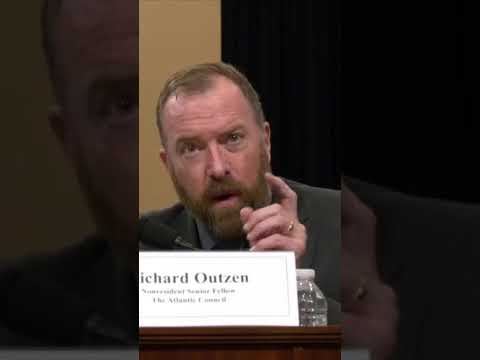
At a hearing of the Commission on Security and Cooperation in Europe, a witness warned that reimposing sanctions on Syria could push the country toward Russia and China, scare off Western and Middle Eastern investment, and risk renewed violence by further fragmenting state authority.
A questioner asked whether reimposing sanctions on Syria now would risk "driving Syria into the hands of Vladimir Putin and the Russians" and whether such measures would deter investment needed for reconstruction from Middle Eastern and Western countries.
Respondent said the empirical record shows sanctioned countries that are strong enough often "bandwagon and will hedge against us and try to find other patrons," using Russia as a backdoor. "That's how Russia has a backdoor to get in here," the respondent…
Already have an account? Log in
Subscribe to keep reading
Unlock the rest of this article — and every article on Citizen Portal.
- Unlimited articles
- AI-powered breakdowns of topics, speakers, decisions, and budgets
- Instant alerts when your location has a new meeting
- Follow topics and more locations
- 1,000 AI Insights / month, plus AI Chat