
Slovakia and U.S. pledge closer cooperation on nuclear energy and defense
Get AI-powered insights, summaries, and transcripts
Subscribe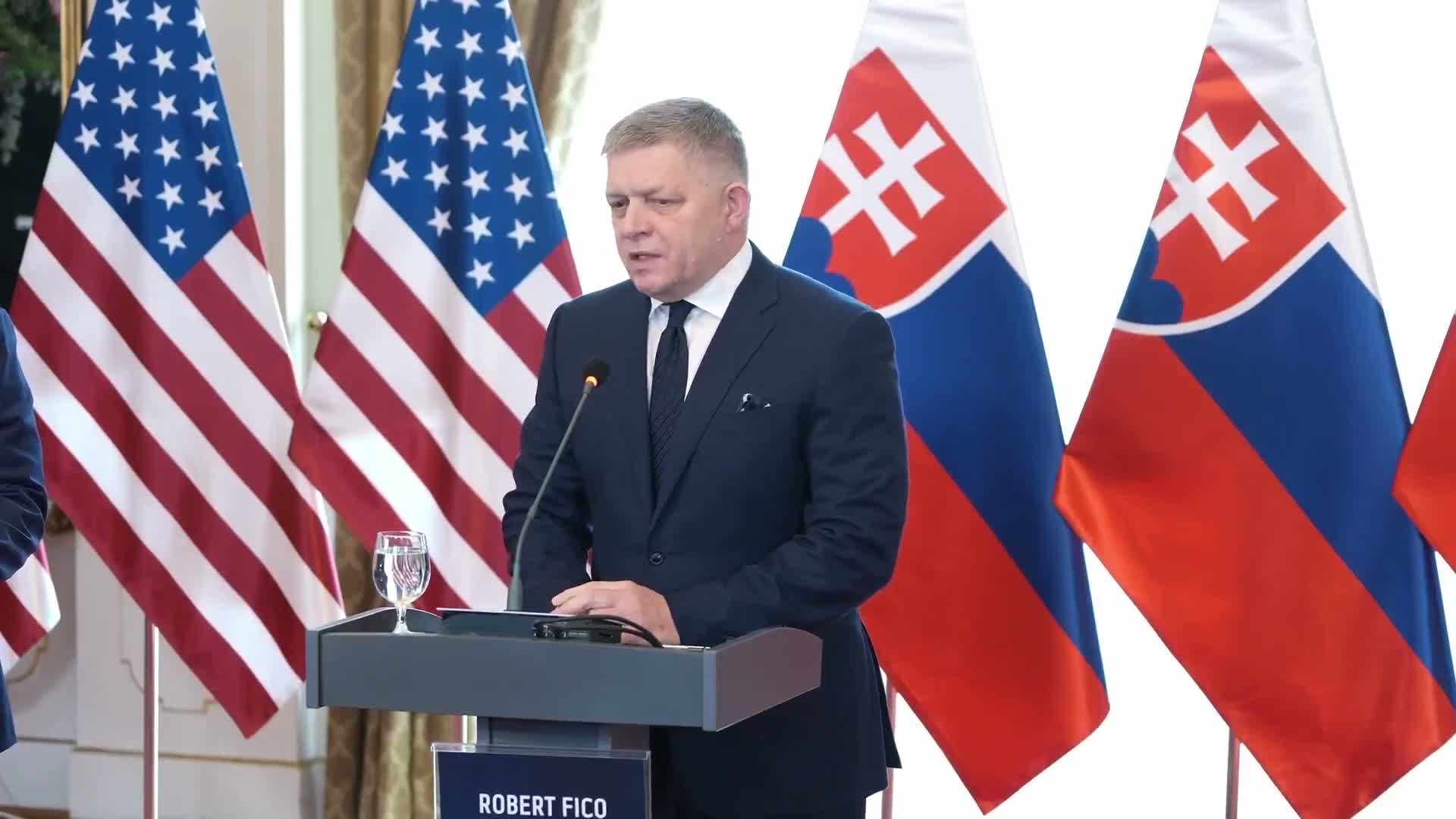
Summary
Prime Minister Robert Fizzo and U.S. Secretary of State Marco Rubio said they will deepen cooperation on nuclear energy and defense. Fizzo announced an intergovernmental nuclear agreement in force and a Slovak plan to build a 1,200-megawatt reactor with U.S. industry partners; Rubio emphasized stronger allied capabilities within NATO.
Prime Minister Robert Fizzo of Slovakia and U.S. Secretary of State Marco Rubio pledged deeper cooperation on nuclear energy and defense during a joint press conference in Bratislava.
Fizzo said an intergovernmental agreement on nuclear energy entered into force on Feb. 13 and described Slovak interest in forming a multinational consortium "which would guarantee the fact that Slovakia could build another nuclear block until 2040 with the power of 1,200 megawatts." He told reporters he hoped to sign a contract with Westinghouse within the following year and asked for U.S. help on project preparations because "it's a project that goes above Slovakia" and will require EU- and multilateral coordination.
Rubio framed the visit as a follow-up to recent White House-level engagement and cited recent U.S. actions to support energy opportunity, saying the administration worked "to lay the groundwork for this energy opportunity, which is so incredible." He argued that closer bilateral work and U.S. industry involvement can accelerate projects that serve both countries' interests.
Both leaders connected energy cooperation to broader security ties. Fizzo reiterated Slovakia's NATO membership and discussed defense modernization plans, including procuring more F-16 fighter jets to reach a target of 18 aircraft. Rubio said strengthening NATO depends on member states' capabilities and urged partners to increase their capacities. "We're not leaving NATO," Rubio said in response to a question about troop posture, stressing the United States is seeking allied capability growth rather than abandonment.
The leaders also noted dual-use projects, such as a planned military hospital near Slovakia's eastern border, as examples of cooperation that blend civilian and defense benefits. Fizzo listed members of the Slovak delegation involved in the talks, including ministers responsible for defense, economy and foreign affairs, and described the discussions as open and practical.
Next steps identified in the conference included diplomatic follow-up with EU partners on the nuclear project and continued U.S.-Slovak consultations on defense procurement and interoperability. No formal agreements beyond the referenced intergovernmental agreement were signed at the press conference.