
Committee adds and backs bill to tighten residential child-care education and practitioner training
Get AI-powered insights, summaries, and transcripts
Sign Up Free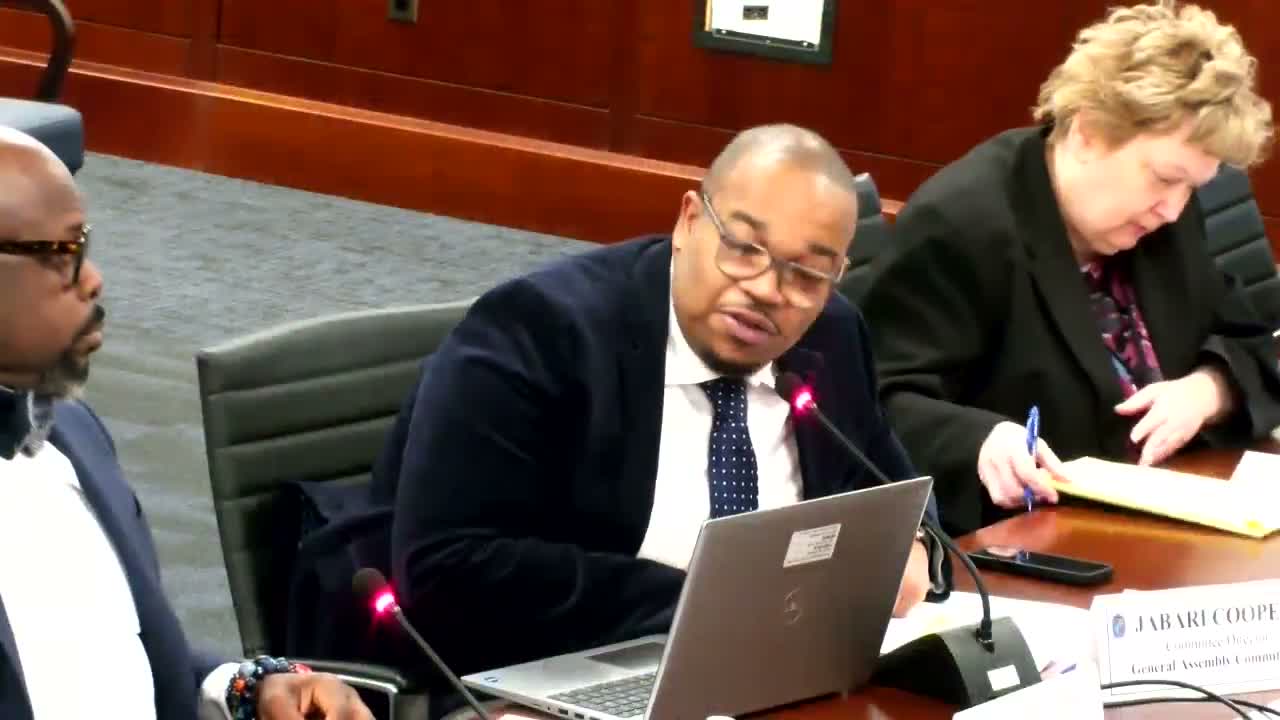
Summary
The committee added House Bill 396 to its agenda and moved favorable after presentations and discussion; the bill would require educational supports for children in state-funded residential child-care programs and set minimum training topics for staff certification, and the committee requested inclusion of mental-health training and first aid.
The General Assembly Committee voted Feb. 10 to add House Bill 396 to its agenda and moved a favorable position after hearing a staff presentation and brief discussion.
Teresa Hessler of Ashler Government Relations, appearing for the bill sponsor, said HB396 addresses two policy areas for residential child-care (RCC) settings: educational-support requirements for children ages 5–15 living in state-funded programs and minimum subject areas for residential and youth-care practitioner (RCYCP) training. Hessler said the bill would require teachers to meet with a child’s family at enrollment and allow communication about assignments, behavior and extracurricular activities, and would codify training topics such as child development, special needs and CPR/first aid.
Hessler told the committee that “state fiscal effect is minimal and DHS anticipates a 1 time cost of $25,000” to train staff and update regulations and contracts. Committee members discussed provider concerns that some requirements may overlap with existing regulation; members asked for input from local child-resource stakeholders. Council member Harrison moved a favorable position with an additional clarification to include mental-health training and first aid; the motion was seconded by Sheila Adam Stafford and passed unanimously, 5-0.
Committee members and staff noted the bill is cross-filed in the Senate (SB402) and that sponsors or staff may introduce technical amendments to avoid duplication with current regulations. The committee did not identify a local fiscal effect during the meeting.