Get Full Government Meeting Transcripts, Videos, & Alerts Forever!
Get email alerts on the Housing topic
No spam. Unsubscribe anytime.
Laramie tells lawmakers it needs roughly 4,000 housing units by 2030, outlines zoning and incentive steps
Summary
City staff told state legislators that Laramie is behind its housing goal and described code changes (ADUs, reduced setbacks, parking reductions), an urban renewal plan, a housing land trust, and a fee-deferral program to spur development and affordability. City officials emphasized infrastructure and financing constraints.
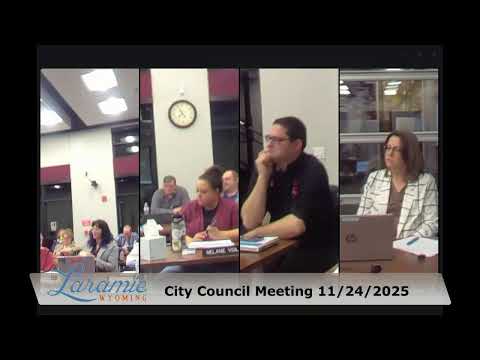
Laramie — City staff told state legislators at a Nov. 24 roundtable that Laramie is behind its housing targets and described municipal code changes and local programs intended to accelerate construction.
Community and economic development staff said a 2015 study — and subsequent updates — indicate the community will need about 4,000 housing units by 2030 to meet projected demand. "We estimated we need about 4,000 housing units by 2030," a city presenter said, and staff added that roughly 2,500 of those units remain to be supplied based on lots they currently track; they also said about 600 lots are in preliminary plat stages and could be built if developers move forward.
What the city is doing: Presenters outlined recent and planned actions to expand supply: changes to residential zoning (reduced setbacks, reduced minimum lot sizes, increased building heights, fewer parking requirements), permitting accessory dwelling units in single‑family districts, rental housing standards, an urban renewal authority to use tax increment financing for catalytic development, and a housing permit fee deferral program to reduce upfront costs for large projects. The city also described a newly organized Albany County Housing Land Trust intended to hold land and preserve long-term affordability.
Infrastructure and financing: Council members and legislators pressed staff on whether adding thousands of units would create net liabilities for city operations. Public Works Director Bruce Webb pointed to recent capital investments — including a roughly $20 million north water tank and upsized sewer work — intended to provide capacity for projected growth. City staff said strategic use of state grants and loans can reduce the burden on local operating budgets.
Equity and standards: Lawmakers and council members queried whether stricter mobile‑home park standards would lead to rent increases that displace low‑income tenants; staff said they are exploring incremental standards that balance safety and affordability.
What comes next: Staff asked legislators to remain engaged and said they would share materials and contact information to support legislative work on housing-related bills. No formal action or vote occurred at the session.