
Counsel Urges Narrow Reading of "Material"; Notes Unregistered Donations and OIG Finding
Get AI-powered insights, summaries, and transcripts
Subscribe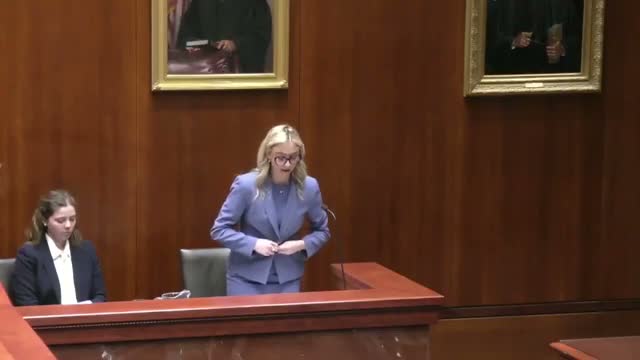
Summary
During oral argument before the Supreme Court of Texas, an unidentified counsel urged the court to read the statutory term "material" narrowly, argued that unregistered donations and discounted rates did not meet that threshold, and referenced an OIG finding described as a "state failure."
An unidentified counsel argued before the Supreme Court of Texas that the statutory term "material" should be read narrowly and in the context of the statute's separate subsections.
The counsel told the court that reading the statute requires consideration of related regulations, practices and policies and emphasized that subsections 1 and 2 serve different functions: subsection 1, the counsel said, establishes a baseline showing a possibility of obtaining a benefit, while subsection 2 operates adverbially to describe purpose. "Because it used [the] word material, they say in subsection 1 you have to..." the speaker said, arguing the legislature drew a meaningful distinction between the two provisions.
On facts in the case, the counsel said certain payments and discounts were at issue but contended they did not meet the materiality requirement. "But those donations were not registered," the counsel said, and pressed that this undercuts a claim that the undisclosed items were "material." The argument also referenced discounted rates being charged, as part of the factual background the counsel asked the court to assess.
The speaker further referenced an external review, saying that after an investigation "we said, yeah. There's wrong way here. We're gonna find a suit. That is a state failure," characterizing the Office of Inspector General's inquiry as identifying systemic problems but urging the court to apply the statutory standard rather than treat investigatory findings as dispositive of materiality.
The argument also touched on related appellate matters, including a Novartis appeal that counsel said colleagues were handling, but provided no docket or statutory citations in the transcript. The transcript does not show a decision or ruling. The record of the argument in the transcript ends with counsel reiterating that the evidence and statutory text should govern the Court's materiality analysis.