
Texas Supreme Court Hears Case Over Whether Attorneys’ Fees from Out‑of‑State Litigation Can Be Contract Damages
Get AI-powered insights, summaries, and transcripts
Subscribe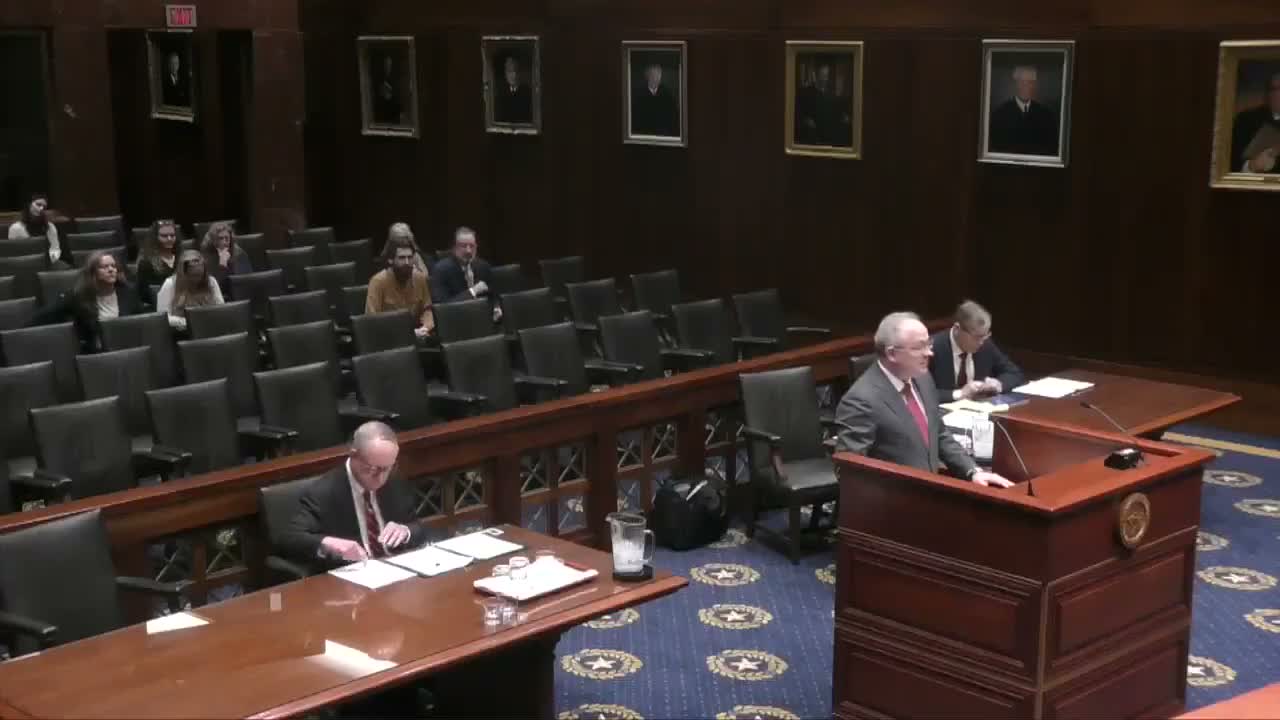
Summary
The Supreme Court of Texas heard argument on whether attorneys’ fees incurred in separate New Mexico litigation can be recovered as damages for breach of a Texas settlement agreement; petitioners called the fees foreseeable direct damages, respondents urged application of the American rule and Chapter 38 limits.
The Supreme Court of Texas heard oral argument over whether attorneys’ fees incurred in separate litigation may be recovered as contract damages after a breach of a Texas settlement agreement.
Petitioners’ counsel, identified in the record as Mister Duvose, told the justices that fees incurred in the New Mexico proceedings were a natural and foreseeable result of the defendant’s failure to comply with the settlement agreement and therefore should be recoverable as damages. "You can ordinarily get costs as a result of a breach of contract," Duvose said, arguing the trial court properly found some fees to be "reasonably necessary" consequences of the breach.
Respondent counsel, identified as Mister Smith, countered that recognizing such recoveries would require the Court to expand beyond existing precedent and undermine the American rule, which the parties and courts have long used to limit fee recovery. Smith told the Court the issue ‘‘would require the Court to go somewhere it’s never gone before’’ and warned that allowing recovery could encourage duplicative litigation and forum shopping.
Why it matters
The outcome could change how settlement agreements are enforced across jurisdictions and affect whether a party can incur attorney fees in a second forum and later recover them as contract damages. At oral argument counsel identified significant money at stake: counsel referenced roughly $230,000 to $250,000 in fees claimed from New Mexico proceedings and larger fee figures sought later in Texas litigation.
Legal and factual contours discussed
Arguments focused on three related questions: (1) whether attorneys’ fees incurred in separate litigation can be characterized as direct or consequential contract damages when a settlement agreement contemplates a particular forum or procedure (petitioner’s position); (2) whether the American rule and Texas’s fee‑shifting statute (Chapter 38 of the Texas Civil Practice & Remedies Code) bar such a recovery absent statutory or contractual authorization (respondent’s position); and (3) whether duplicative suits across jurisdictions raise waiver, venue, or public‑policy concerns that should prevent recovery.
Both sides invoked prior authorities. Counsel debated the import of Texas cases (including references in argument to Aiken Gump, Nally Plastics, and older state precedents such as Hutt v. Fidelity) and federal decisions (the U.S. Supreme Court’s Summit Valley decision was discussed) to frame whether fees incurred in a prior or separate proceeding are ever appropriately characterized as contract damages rather than fee‑shifting in the underlying suit.
Bench questioning pressed both sides on the foreseeability test for damages and the practical limits of treating fees as recoverable: would parties then be required to include explicit fee provisions in settlement agreements if fees were foreseeable? Would permitting recovery in a second forum allow parties to split claims across states to obtain more favorable remedies? Respondent counsel emphasized that Chapter 38 requires recovery of attorney fees only when a plaintiff recovers other damages, which complicates categorizing fees themselves as the recoverable damages that trigger the statute.
What happened next
After extended questioning on proximate cause, foreseeability and the possible policy effects of either ruling, the Court submitted the case. The justices took the case under advisement and adjourned without announcing a decision.
Reporting notes
Quotes and attributions in this article are taken from the official oral‑argument transcript of the Supreme Court of Texas. Counsel identified in the record as Mister Duvose argued for the petitioners and Mister Smith argued for the respondents.