
California community colleges push student housing as basic infrastructure, tout lease revenue bonds
Get AI-powered insights, summaries, and transcripts
Subscribe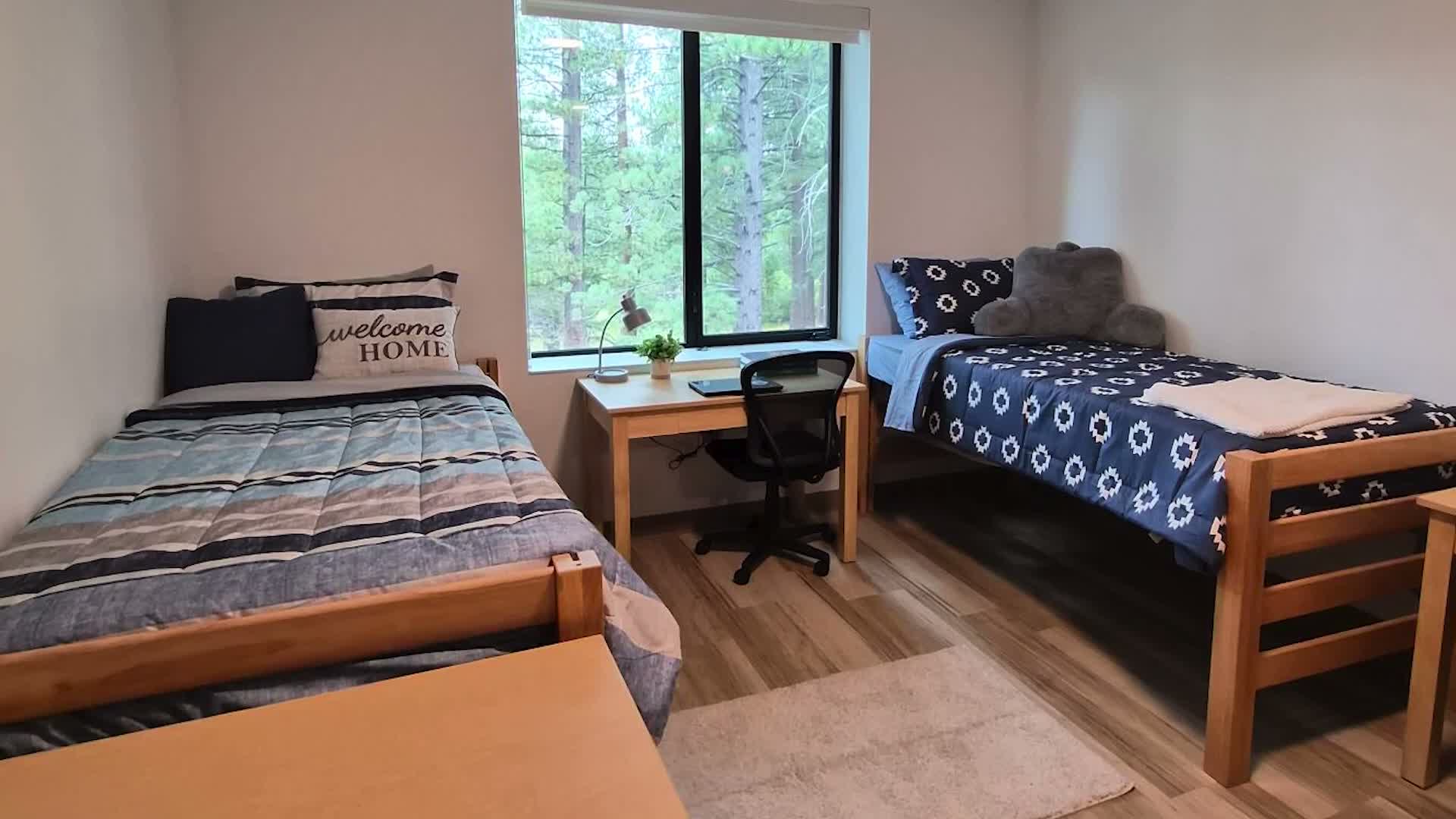
Summary
At a convening of student housing and basic-needs advocates, a speaker for the California Community Colleges framed affordable student housing as 'basic infrastructure' and highlighted lease revenue bonds as a financing tool that can help campuses design and build housing.
Unidentified Speaker opened a convening of student housing leaders and basic-needs advocates by stating the stakes plainly: "Look, we have known for a while that affordable housing is not a luxury. It's basic infrastructure like a classroom, a laboratory, or libraries." The speaker said California Community Colleges are stepping forward to meet that need and urged attendees to treat housing as central to student success.
The speaker emphasized financing options, noting that "lease revenue bonds" provide colleges with a means "to design and build affordable student housing." They credited advocates and partnerships for turning "once distant projects" into reality and said statewide collaboration is creating momentum for new and innovative projects.
The remarks underscored the scale of the system: the speaker noted that housing is central to the mission of "our 116 community colleges," framing the shortage as a statewide issue. The speaker described housing insecurity as "one of the defining issues of our time" while calling it an opportunity for collective action and urging attendees to learn from each other and return home with at least "one new idea or action" to advance projects.
The convening tied the housing goal to Vision 2030, with the speaker saying it brings organizers "a step closer to a California where no student ever has to choose between a safe place to live and the pursuit of their dreams." The remarks closed with thanks to advocates and a call to continued advocacy: "Thank you for your commitment to Vision 2030... Together, we are building a future worthy of our students. And our time is now."