Get AI Briefings, Transcripts & Alerts on Local & National Government Meetings — Forever.
Jacobi trauma staff briefs Bronx committee on fall prevention for older adults
Loading...
Summary
A trauma‑program specialist from Jacobi Medical Center told the Health and Social Services Committee that falls are common and often preventable, outlined medication reviews and home fixes to reduce risk, and shared local resources and upcoming community screenings.
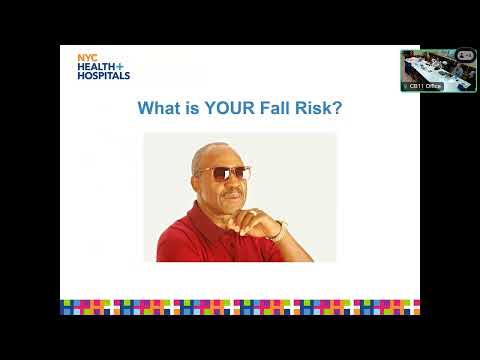
At a Feb. 10 meeting of the Health and Social Services Committee, Gary, a trauma‑program specialist at Jacobi Medical Center, told members that falls are a leading cause of injury among older adults and outlined practical steps residents and caregivers can take to reduce risk.
"One of every four older persons will fall each year," Gary said during a roughly 45‑minute presentation to committee members and attendees, adding that about one in 10 falls results in a serious injury. He also said "88 percent of hospitalizations for hip fractures were due to a fall," and warned that blood thinners elevate the risk of dangerous head injuries after a fall.
The presentation laid out risk factors—age‑related loss of muscle and reflexes, vision and hearing decline, certain medications, alcohol use and chronic conditions—and environmental contributors such as icy sidewalks and poor lighting. Gary recommended screening, noting a simple questionnaire that flags elevated risk at a score of four or higher, and urged people to bring medications to a review so clinicians or pharmacists can identify interactions and sedative effects.
"Ask the doctor or pharmacist to review your medications," he said, describing a program at his trauma center where a toxicologist reviews older patients' prescriptions and contacts prescribers about deprescribing or safer alternatives.
Gary emphasized low‑cost home changes—motion and stair lighting, securing rugs with double‑sided tape, removing loose cords, installing handrails and adding non‑slip shower strips or shower chairs—and recommended exercise programs such as leg‑strengthening classes and Tai Chi to improve balance. He pointed attendees to virtual classes, Falls Free Long Island resources and evidence‑based programs that senior centers receiving federal funds are expected to offer.
The presenter also described technology and low‑tech options to get help after a fall, including smartphone fall detection features and inexpensive "I can't get up" buttons, and demonstrated ways for someone to safely roll or crawl to furniture and use steady supports to stand. He encouraged anyone who falls to seek medical assessment promptly: "Don't be afraid to go get looked at," he said.
Gary offered training and outreach resources and said community stop‑the‑bleed classes and other trainings are available though some sessions are postponed until Jacobi completes a trauma‑center re‑verification in March. He said he would share a PDF of slides and handouts with the committee for local distribution.
Committee members discussed logistics for an upcoming health fair and distribution of materials. David Lehi said students would staff a health fair planned for Saturday and the group agreed to coordinate a site walkthrough on Allen Avenue and to circulate the presenter's materials afterward.
Members also announced a free mammography screening scheduled for March 20, sponsored in the meeting's words by "American Italian." The contact listed for appointments was Gorgone at (718) 430-1825; the event was said to take place near Bronx River Parkway and may accept walk‑ins depending on availability.
The meeting adjourned at about 7:53 p.m. with committee members planning follow‑up on outreach, shared materials and scheduling of community trainings.