Get Full Government Meeting Transcripts, Videos, & Alerts Forever!
Get email alerts on the Youth Programs topic
No spam. Unsubscribe anytime.
Orphic Training Academy describes RISE youth workforce program to council
Summary
Latasha Hunter Lee told the council about Orphic RISE (Project PREPARE), a 4–8 week youth pathway for ages 14–22 offering life skills, mentorship, workforce readiness and pathways to CNA/phlebotomy and beauty-care certifications; she said the academy will coordinate schedules with instructors and can offer transportation support.
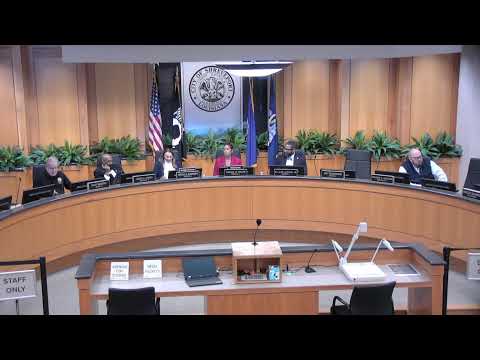
Latasha Hunter Lee of Orphic Training Academy presented 'Orphic RISE' (Project PREPARE) to the Shreveport City Council on Jan. 13, describing a multi-pathway youth development and workforce-readiness initiative for young people ages 14 to 22.
Lee said the program's core components are life skills and personal development, workforce readiness (resume/building, interview prep, professionalism), and mentorship/leadership development. After completing the three core phases, participants choose a healthcare track (CNA, phlebotomy, medical assistant, EKG, and pathways to ASN/LPN programs) or a beauty and wellness track (cosmetology fundamentals, client communication, entrepreneurship). Sessions run 4–8 weeks with weekly or after-school/weekend options depending on the pathway and instructor schedules.
Lee said Orphic has arrangements to provide transportation support when needed — coordinating with transportation companies and offering bus tickets or pick-up assistance for participants lacking reliable transit. She provided contact details for the academy (Orphic Training Academy, 800 East 70th Street; admin@orphicacademy.org; (318) 364-7074) and said some students present at the meeting could speak about their program experience.
Council members asked practical questions about hours, parental involvement and rural transport barriers; Lee answered with schedule-dependent timing and described flexibility to meet community needs.
The council took no formal action on funding or contracting for the Orphic program during the meeting; the presentation served as an informational briefing and a request for follow-up with council members interested in partnerships.