
Florida subcommittee credits targeted allocation with lifting most districts to $47,500 minimum teacher pay
Get AI-powered insights, summaries, and transcripts
Subscribe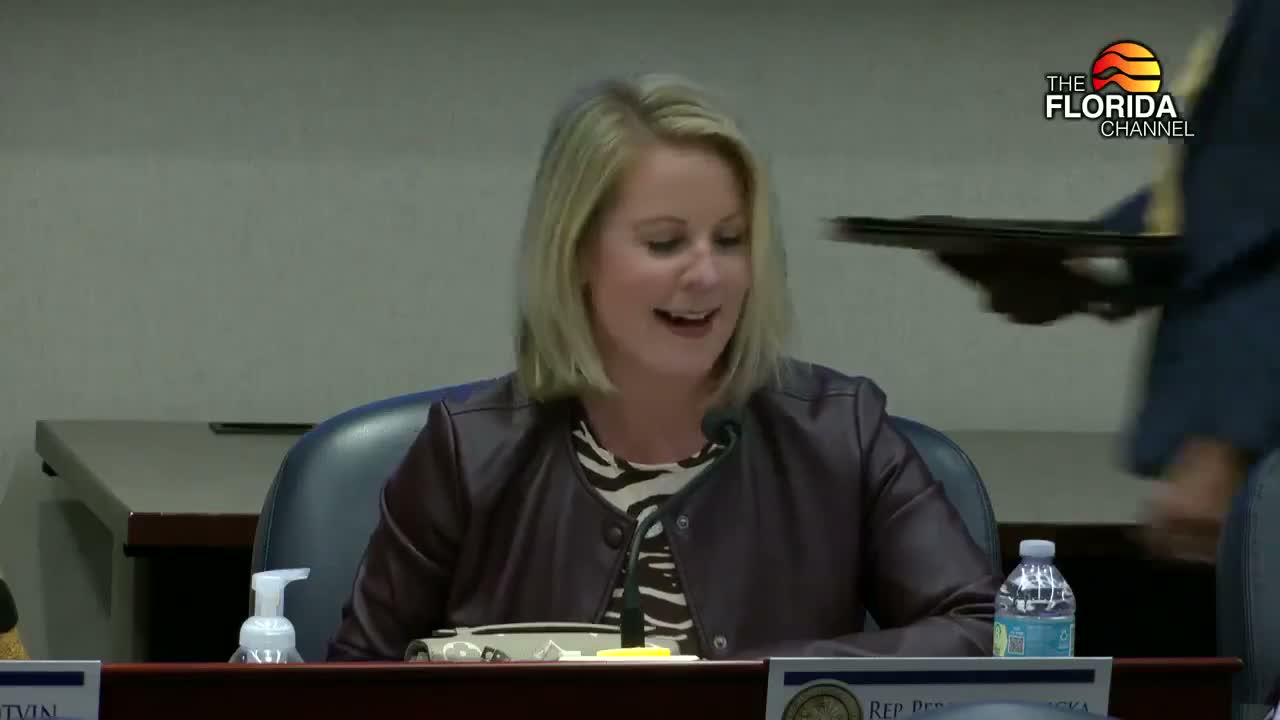
Summary
The PreK–12 Budget Subcommittee reviewed the classroom teacher salary‑increase allocation established in FY 2020–21, citing a rise from one district at or above $47,500 to 54 of 67 districts by FY 2024–25; members pressed for data on pay compression affecting veteran teachers.
Chairperson Molica told the PreK–12 Budget Subcommittee that a dedicated classroom teacher and other instructional personnel salary increase allocation established in fiscal year 2020–21 has helped raise minimum base salaries for full‑time classroom teachers across Florida.
"With the establishment of the allocation of fiscal year 2021, there was only 1 school district, Monroe, with a minimum base salary for classroom teachers at or exceeding 47,500," Molica said. She said that by the end of fiscal year 2024–25, 54 of the state's 67 school districts had reached the $47,500 minimum.
The allocation is recurring money included in the General Appropriations Act, Molica said, and the Legislature has increased the recurring total over several years. For FY 2022–23 the starting recurring amount was $550,000,000 and an additional $250,000,000 was provided (bringing the recurring total to $800,000,000). Molica said an additional $101,600,000 was added in the most recent year, which she said brings the recurring total to $1,400,000,000.
Molica described district compliance and reporting rules: districts must achieve—and thereafter not reduce—the required minimum base salary, must submit a distribution plan to the Department of Education by Oct. 1 each year, and must annually report a detailed summary of prior‑year expenditures of the allocation. She added that funds "must be used solely as authorized in the General Appropriations Act" and said that districts unable to comply because of a collective bargaining impasse must provide written notice explaining the impasse and a proposed timeline for resolution. At the time of the meeting she said six districts were at impasse and possibly a seventh.
Committee members welcomed the showing of broad progress but raised questions about pay compression. "I do, I recognize that there has been an increase," Ranking Member Gantt said, "but the continued comment that I hear is that if they've been teaching for, like, 10 years, they're getting paid the same amount as first year teachers." Gantt and other members asked how the committee could ensure veteran teachers receive larger increases and avoid compression between starting and experienced teachers.
Molica responded that the allocation is not limited to raising only starting salaries and that legislative language in some years—including the current year—has allowed the funds to be used to increase personnel compensation for full‑time teachers with two or more years of experience to provide that flexibility. She also reminded members that the allocation is only one portion of a district's overall teacher‑salary budget and that districts may use other funds in addition to the allocation.
Representative Nicks asked whether the committee would have an opportunity to see a study or data showing the "compression point." Molica offered to share data on the number of teachers and years of experience and invited members to review those figures.
Representative Daniels, who said he has served on the committee since 2016, said he is proud of the progress and of what the Legislature has done on teacher pay but acknowledged constituent perceptions that "we're doing nothing," urging the committee to ensure veteran teachers feel recognized for their service.
The committee did not take formal votes on the allocation during this meeting. Molica said she had submitted budget recommendations to Chair McClure and the budget committee and then moved to the next agenda item covering fiscal year 2026–27 budget issues. Representative Nicks moved that the committee rise; without objection the meeting was adjourned.