Get Full Government Meeting Transcripts, Videos, & Alerts Forever!
Get email alerts on the K 2 Literacy topic
No spam. Unsubscribe anytime.
Tillman Elementary highlights K–2 literacy work: DIBELS, UFLY interventions and collaborative planning
Summary
Tillman Elementary principal Ali Strickland and district supervisors told the Talbot County Board of Education the school is using DIBELS screening, tier‑2 UFLY interventions, targeted professional learning and schedule changes to support K–2 literacy and school improvement.
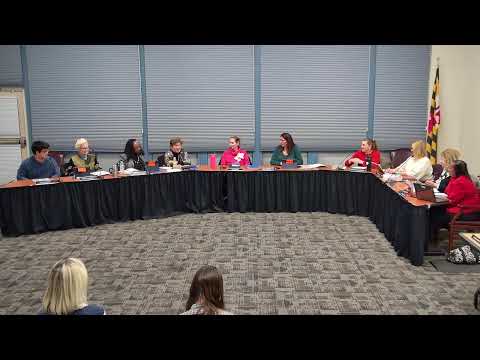
Tillman Elementary School staff told the Talbot County Board of Education on Feb. 11 that targeted K–2 literacy work—grounded in the science of reading—has driven changes in scheduling, professional learning and interventions.
Principal Ali Strickland described strategies to provide teachers collaborative planning time, vertical teaming and job‑embedded professional learning. Staff reworked the master schedule so Thursdays allow teachers common time for data review and instructional planning despite Tillman’s small single‑teacher grade configurations.
Dr. Amy Palmer and other instructional leaders explained the district’s reliance on DIBELS screening and tier‑2 interventions. "That's one of the assessments that we give which is required by senate bill 734 to identify students at risk for reading difficulties," a district presenter said, describing training and supports provided so teachers can give the assessment, review the data and implement interventions.
Teachers and mentors described classroom practices developed from committee meetings and peer observations: a writing checklist, a "one‑minute challenge" for letter‑naming fluency, high‑frequency word centers and peer observations at other elementary schools to import proven classroom strategies.
Strickland said the school piloted whole‑school STEM days and family engagement events to support attendance (a school improvement goal). The team expects next steps to include broader stakeholder feedback and administrative planning for implementation in the 2026–27 school year.