Get Full Government Meeting Transcripts, Videos, & Alerts Forever!
Get email alerts on the Foster Parent Rights topic
No spam. Unsubscribe anytime.
Committee approves substitute to update Georgia’s Foster Parent Bill of Rights
Summary
The House Judiciary (Juvenile) Committee voted unanimously to pass a substitute to HB256 that expands and clarifies the Foster Parent Bill of Rights to include private-agency caregivers, relatives and ‘fictive kin,’ formalizes an administrative grievance process and allows certified volunteer advocates to assist caregivers during DFCS administrative investigations.
A House Judiciary (Juvenile) Committee unanimously approved a substitute to HB256 that updates Georgia’s Foster Parent Bill of Rights to reflect contemporary foster-placement arrangements and to provide clearer administrative protections for caregivers.
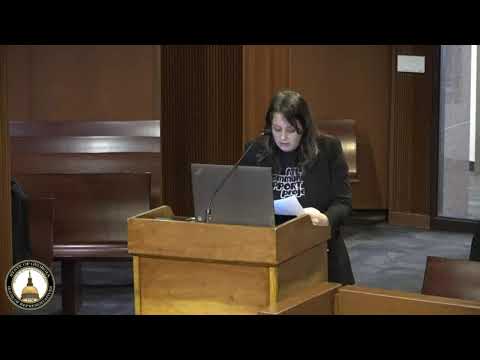
The substitute, the sponsor said, broadens the statute beyond traditional certified foster homes to cover “foster placement” — a definition the bill uses to include foster parents, private-agency caregivers, relatives and fictive kin. The sponsor told the committee the measure does not create new juvenile‑court rights, does not change custody, and does not mandate new services or spending; instead it clarifies existing rights around communication, training, participation in case planning and the reasonable and prudent parent standard.
“[The substitute] recognizes those caregivers are essential partners and ensures that they’re treated consistently and fairly,” the sponsor said in presenting the substitute. The bill adds an explicit protection against retaliation related to filing complaints and creates a clear administrative grievance process for caregivers.
A key new feature allows foster caregivers to request support from a trained, certified volunteer advocate during administrative investigations or disputes. The sponsor and a Department of Human Services representative said the advocates would not be attorneys, would not interfere with investigations, and would not change child‑safety decisions; instead, they would be permitted to receive otherwise confidential information under a confidentiality provision the sponsor tied to “49 5 2 81” in the bill text so the advocate can help the caregiver understand the process.
Emma Lone, director of governmental affairs for the Georgia Department of Human Services, told the committee the department had worked with the sponsor on the substitute language and indicated the department was comfortable with the changes presented.
With no substantial opposition from committee members, Representative (speaker 6) moved that the committee “do pass” the substitute; after a second and a voice vote the chair announced the motion carried unanimously.
The committee’s action sends the substitute forward for the next steps in the legislative process.
The record of the hearing indicates the bill’s sponsor and state staff will continue to coordinate on implementation details and rule language as the substitute moves through subsequent committees and chambers.