
Pre-K official: class-size phase-in continues despite declining enrollment; department will supply demographic estimates
Get AI-powered insights, summaries, and transcripts
Subscribe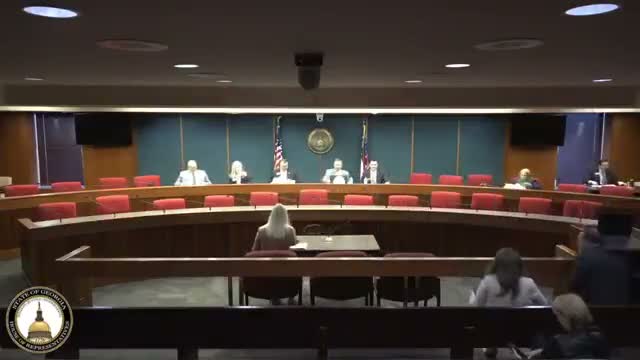
Summary
Amy Jacobs said the pre-K class-size reduction will add 100 classes this year with a $12 million increase for year three of a four-year phase-in; she also reported pre-K enrollment has declined to about 68,000 and offered to provide demographic estimates.
Amy Jacobs, commissioner of the Department of Early Care and Learning, told the Appropriations Committee the department's pre-K plan will move forward with the year-3 funding provided in the governor's budget.
Jacobs described three line items in the pre-K program: a $125,000 formula adjustment tied to training-and-experience for pre-K teachers, a $5,800,000 increase to cover higher health-insurance per-member rates for pre-K teachers (flow-through to school systems), and a $12,000,000 increase for year three of a four-year phase-in to reduce class size from 22 to 20. "This allows us to add a 100 new classes for this third year, and we will add a 100 new classes in the fourth year if supported," Jacobs said.
Lawmakers asked about enrollment trends after COVID. Jacobs said pre-K enrollment is down from about 80,000 pre-COVID to roughly 68,000 this year and that the department believes the 4-year-old population is about 128,000, meaning current pre-K serves approximately 54% of 4-year-olds. She agreed to provide additional pipeline and county-level estimates to support the legislature's early-childhood and literacy planning.
The committee concluded after asking for the requested data; no formal funding decisions were made in the hearing.