Get Full Government Meeting Transcripts, Videos, & Alerts Forever!
Get email alerts on the Long Term Care topic
No spam. Unsubscribe anytime.
Bill would require long‑term care websites to link Georgia ombudsman information
Summary
House Bill 906 would require long‑term care facilities that maintain a website to post a link to the Georgia Long Term Care Ombudsman Program, aiming to make advocacy and complaint information accessible remotely. Lawmakers heard testimony and clarified the change is intended to raise awareness, not create new penalties or require sites.
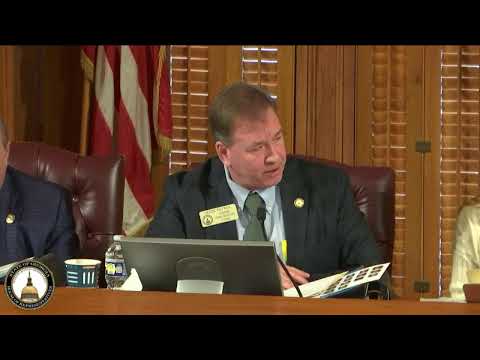
Representative Smith on Monday brought House Bill 906, saying the measure would require long‑term care facilities that maintain a website to post a link to the official Georgia Long Term Care Ombudsman Program so families can find advocacy help without entering a facility.
"HB 906 ensures they can find that information about the ombudsman program remotely without having to be inside the facility," Representative Smith said, adding that current Georgia law already requires contact information to be posted inside facilities.
Smith told the Human Relations & Aging committee the bill is meant to improve awareness rather than punish facilities, noting existing on‑site posting penalties would extend to online links only within the same enforcement framework. "This bill is about awareness and not punishment," she said, and offered to work with facilities and the committee on implementation details to avoid fining facilities for temporary link outages.
Committee members sought clarifications. The chairman and others confirmed the requirement would apply to nursing homes, personal care homes and assisted‑living communities that already operate websites; Representative Smith said facilities without a website would not be required to create one. A committee member with a technology background described adding a link as routine for any modern website and characterized it as a low barrier to implementation.
The hearing was for information; committee members did not take a vote and asked staff to coordinate with affected agencies and industry representatives as the bill moves forward.
The committee plans follow‑up meetings with legislative counsel and affected agencies to refine language and implementation before further committee action.