Lifetime Citizen Portal Access — AI Briefings, Alerts & Unlimited Follows
Commissioners table proposal for coroner to manage indigent/unclaimed decedents; request follow-up on costs and workload
Loading...
Summary
Sheridan County coroner outlined bringing the unclaimed/indigent decedent program in-house; commissioners asked for workload, storage, and cost estimates and voted to table the proposal for two weeks pending staff follow-up.
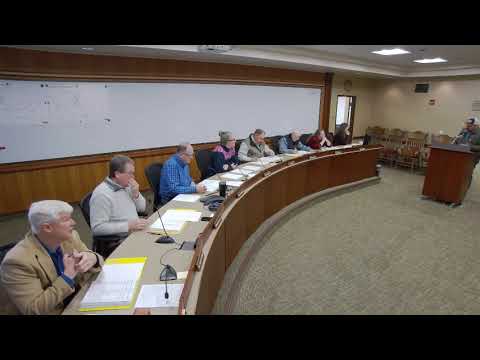
Sheridan County commissioners on Dec. 1 heard a detailed presentation from the coroner's office about taking on the county's unclaimed and indigent decedent program in-house and voted to table the item for two weeks while staff compiles additional information on hours, storage and likely costs.
The coroner (Doctor Berg) outlined statutory duties and current practice for unclaimed decedents, citing Wyoming statute 7.2207 and related provisions that require an investigation and allow the coroner to cause an unclaimed body to be buried or cremated after five days if next of kin are not located. Berg said the coroner investigates deaths and conducts next-of-kin searches but that determinations of indigence and reimbursement claims are made by the county commissioners under Wyoming law.
Berg described practical steps the office currently takes: notifying next of kin, documenting efforts, coordinating with funeral homes for cremation or burial, securing property and—when assets exist—processing title and sale procedures to recover county expenses. He noted typical caseloads have been low in recent years (generally three to five cases per fiscal year), but the time required to investigate can range from a few days to weeks or months depending on whether next of kin can be located.
Commissioners raised several practical concerns: whether coroner staff have the resources to pursue bank or title claims, the need for secure short-term storage for personal property (examples in discussion included renting storage lockers at roughly $402$80 for short periods), the potential for overtime when recovering property or coordinating removals from apartments, and how much staff time the task would require each year.
The coroner said some costs—for example, cremation or burial fees paid by the county—may be submitted for state reimbursement (the meeting record noted a maximum reimbursement figure discussed by staff), and that recovered assets can be returned to the county. But Berg and other staff said accurate budgeting depends on clearer counts of hours, storage needs and the number of cases that would be handled in-house. "We're here to help make this wheel run smoother," Berg said, but he also emphasized the program is the commissioners' authority and offered to run a trial period and revert to the outside contractor if costs or operations prove problematic.
After discussion, a commissioner moved to table the proposal and request follow-up information from staff in two weeks (estimated hours per case, projected storage needs and likely incremental costs). The motion was seconded and the board voted by voice to table the issue for two weeks.
Next steps: coroner staff will provide estimates of hours per case, likely storage needs and a budget estimate for review at the next meeting; the board reserved authority to decide whether to bring the program in-house or continue the outside contract after that follow-up.