Get Full Government Meeting Transcripts, Videos, & Alerts Forever!
Get email alerts on the Bylaws topic
No spam. Unsubscribe anytime.
Prince George supervisors repeal 2025 bylaws after contentious debate, postpone new bylaws
Summary
After extended public comment and board debate over transparency and majority rule, the Board of Supervisors voted to repeal the 2025 bylaws and postponed adoption of a revised set to allow further review, legal consultation and a proposed work session.
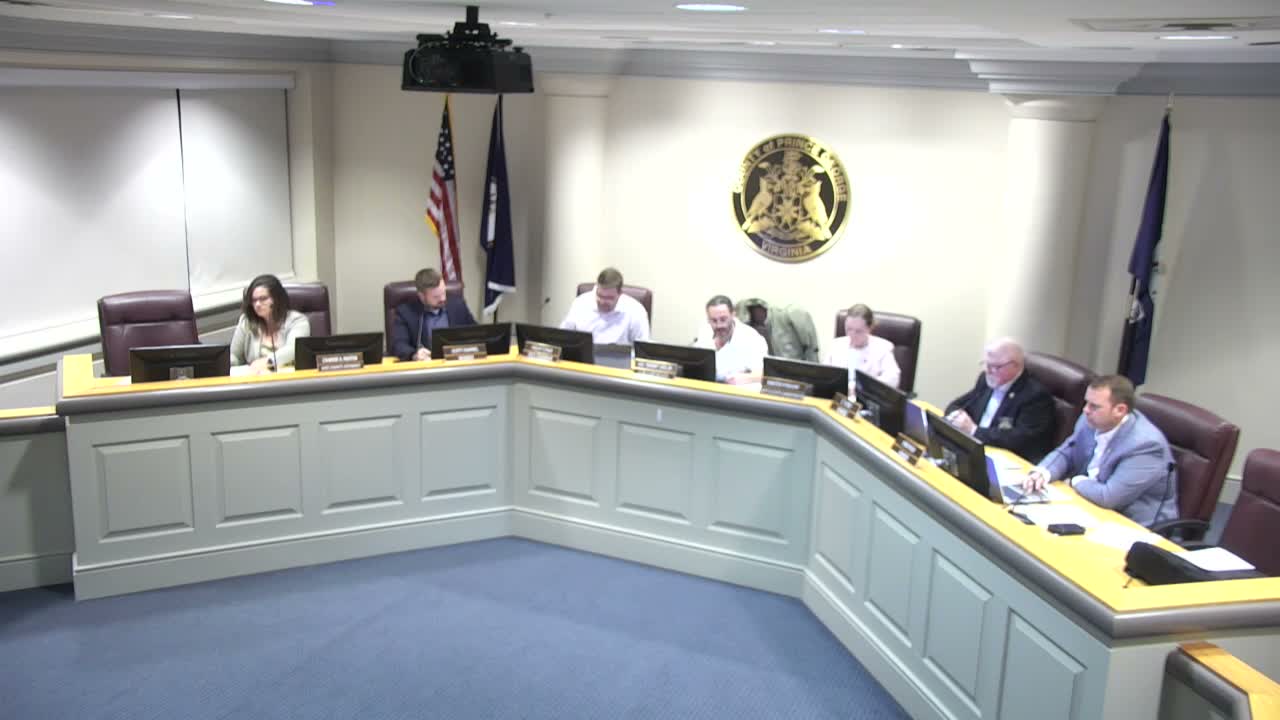
Chairman Robert E. Cox Jr. convened the Prince George County Board of Supervisors on Jan. 13, 2026, where the board spent a substantial portion of the meeting debating proposed changes to its bylaws and rules of procedure. The board voted to repeal the 2025 bylaws and then postponed adoption of a revised 2026 set for further review.
The debate followed several public comments urging delay. Floyd Brown Jr., who identified himself during public comment, said the Jan. 2 organizational meeting lacked transparency and that “bylaws were handed out that were not part of the public portion to view prior to the board meeting,” a change he described as a “clear violation” of public-meeting expectations. Justin Noblin and Jim Quest also urged postponement, with Noblin warning that changes allowing the board to override county attorney recommendations by majority vote could expose the county to legal risk.
Supporters of the board’s changes defended a return to majority rule. Joseph Way Mac argued that elections establish majority rule and described the repeal as a “restoration of democracy.” Several supervisors underscored differing views on rotation of chair and vice chair seats, how tie votes should be handled, and whether certain communications with the county administrator or county attorney should be shared with the entire board.
County legal counsel outlined options for the board: repeal the existing bylaws and adopt the published revisions, repeal and adopt with minor grammatical edits, postpone to a date certain, or appoint a bylaw committee or hold a work session. After discussion the board adopted a motion to repeal the 2025 bylaws and later voted to postpone action on the revised 2026 bylaws so staff and legal counsel can incorporate citizen suggestions and return the document to the board.
Votes and procedure: the repeal motion passed on roll call (one board member recorded a 'No'); the board later voted to postpone adoption and directed staff to continue work on the document and consider a working committee or work session. No substantive bylaws changes were adopted that evening.
What changed in practice: public speakers and some supervisors pressed for greater advance notice of redline edits and clearer rules about whether a future chair or vice chair could serve successive terms without unanimous consent. The transcript records specific concerns about a redlined change to Section 9C and language describing rotation and tie-handling procedures; citizens asked the board to delay ratification until the public has time to review the redline and staff can respond to legal questions.
Next steps: The board directed staff and legal counsel to revise the draft and return it at a future meeting after public input and with clearer explanatory notes; a bylaw work session or committee was suggested to walk through contested provisions.
Ending: The board moved on to other items after postponing the bylaws vote, with no final adoption of the revised bylaws at the Jan. 13 meeting.