
Lawmakers hear LB1064 to limit rate impacts from big power customers such as data centers
Get AI-powered insights, summaries, and transcripts
Subscribe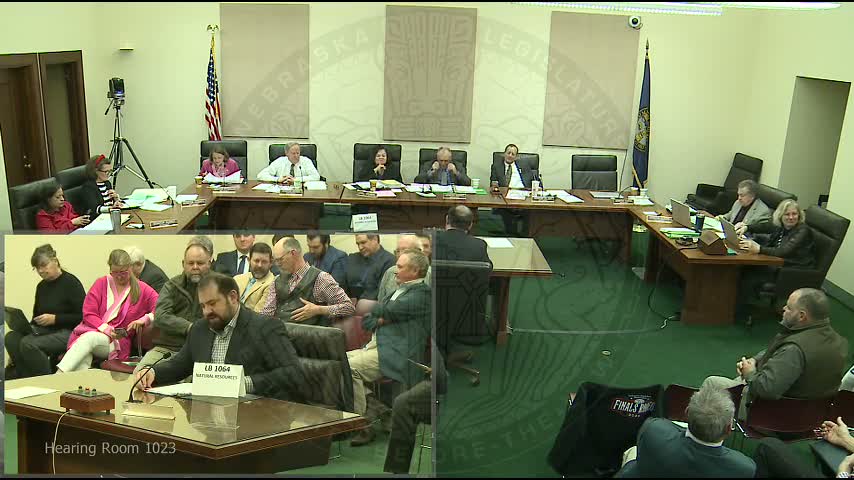
Summary
Senator Elliot Bostar presented LB1064 to give public-power suppliers authority to set interconnection standards, require study fees and disclosure from large-load customers, and to allow curtailment during emergencies; utilities and neutral agencies asked for technical edits while supporting the bill's information-gathering aims.
Senator Elliot Bostar opened committee discussion on LB1064, describing the bill as guardrails to protect affordability and reliability for Nebraska ratepayers from large-load customers such as data centers. Bostar said the bill would let public-power suppliers set standards for interconnection, require financial commitments (including a $100,000 study fee for large projects), disclose backup generation and require demand-response plans, and permit curtailment orders during grid emergencies.
Representatives of municipal utilities and public-power stakeholders largely supported the concept while requesting practical changes. Matt Anderson, representing Lincoln Electric System, said the bill "sets consistent expectations for disclosures and study processes" and supports negotiating specific rates and operating standards for extraordinary loads. John McNally of NPPD testified in a neutral capacity, flagging technical drafting issues (definitions of proposed facilities, service-area conflicts) but saying the bill’s reporting mechanisms could be implemented if clarified.
Committee members focused on what belongs in statute versus what utilities already do by contract or practice. Senators sought clarity on confidentiality of customer data, transmission and distribution information that utilities consider sensitive, and whether the bill would duplicate existing study processes required by the Southwest Power Pool. Sponsor Bostar pledged to work with utilities and stakeholders on amendments to align statutory language with operational realities.
The hearing produced no committee action; the sponsor and utilities agreed to continue technical negotiations before any amendment or vote.