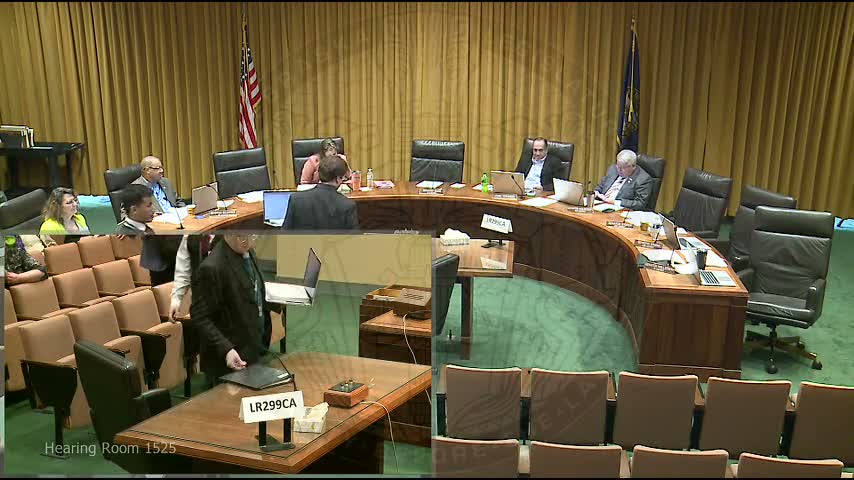
Broad support at Judiciary hearing for LB1032 to recognize tribal customary adoptions in Nebraska
Loading...
Summary
LB1032 would recognize tribal customary adoptions (TCAs) under state law so tribal adoption orders that preserve family and tribal ties are enforceable and eligible for adoption subsidies. Tribal leaders, child-welfare professionals, DHHS, and the Children's Commission testified in support; opponents raised legal or procedural questions but emphasized child safety.
Senator Wendy DeBoer opened LB1032 by describing how tribal customary adoptions allow a child to achieve permanency while preserving connections to biological family, tribe, language, and traditions. She said recognition in state law is necessary because Nebraska's current adoption framework generally requires termination of parental rights before a state adoption can be finalized, which conflicts with many tribal practices.
A broad coalition of proponent witnesses—tribal leaders and cultural directors, Nebraska Appleseed, Education Rights Council, the Omaha Tribe, Ponca Tribe, Winnebago Tribe, and the Department of Health and Human Services (DHHS)—testified that TCAs are already codified in tribal codes and that state recognition would reduce legal uncertainty, prevent duplicative litigation, and enable eligible youth to access federal adoption subsidies. Proponents also argued TCAs better support identity formation and long-term well-being by preserving cultural ties.
DHHS Director of Programs testified LB1032 would provide statutory clarity that helps case workers and courts recognize tribal orders and aligns state practice with the federal Indian Child Welfare Act (ICWA). Witnesses emphasized safeguards: the bill does not remove judicial oversight, continues best-interest analysis and safety checks, and contemplates limited mechanisms for modification in extraordinary circumstances.
A few participants raised implementation and logistical questions (subsidy mechanics, evidence of tribal orders, and coordination between tribal and state courts). Opponents noted potential legal and treaty questions in the record but many of the concerns focused on ensuring child safety and practicable processes for subsidy eligibility. The hearing ended with strong proponent turnout and no immediate committee action recorded.
The committee received extensive on-the-record proponent testimony and indicated the subject is a legislative relations priority for state-tribal collaboration.