
Debate over LB1097 centers on restoring civil remedies for child sexual-assault victims and fiscal limits of waiving immunity
Get AI-powered insights, summaries, and transcripts
Sign Up Free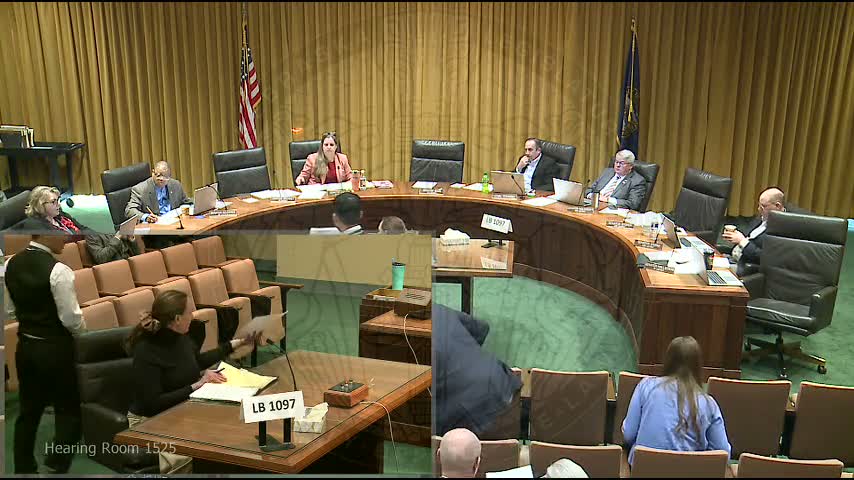
Summary
Sen. Danielle Conrad proposed LB1097 to create a civil cause of action for child sexual-assault victims and waive sovereign immunity for limited cases; proponents argued Nebraska's courts have left victims without remedies after Moser/Joshua M. decisions, while opponents warned the bill would remove Tort Claims Act guardrails (notice, caps) and expose taxpayers to large judgments.
Senator Danielle Conrad told the Judiciary Committee LB1097 would create an explicit civil pathway for victims of child sexual assault and individuals with developmental disabilities who are victims of sexual abuse by waiving sovereign immunity in narrowly defined circumstances. Conrad framed the bill as a response to recent Nebraska Supreme Court decisions that, she said, limited victims' ability to pursue civil remedies and left a —dizzying maze— of dead ends.
Proponents including trial attorneys, the Education Rights Council, Nebraska Association of Trial Attorneys, and families described cases where survivors had no civil recourse against state agencies or subdivisions despite apparent negligence. Sam Caldwell (legal counsel) said Nebraska is one of a small number of states that currently prevents such civil claims in these circumstances, and likened LB1097's objective to bringing Nebraska law back in line with the majority of states.
Opponents from risk pools and government-law panels—including AALICAP, NERMA, the Nebraska Attorney General's Office, and county associations—argued the bill would strip procedural guardrails in the state and political-subdivision Tort Claims Acts (notice periods, caps on awards, trial-to-bench provisions). They warned of fiscal consequences for taxpayers and argued that remedies already exist through 42 U.S.C. §1983 and Title IX in some cases.
Witnesses debated practical safeguards such as statutory caps, pre-suit notice, and attorney-fee provisions. Proponents said the measure can be narrowly tailored; opponents offered compromises to retain notice and limits. The committee ended the hearing without a vote and Senator Conrad said a narrower statutory fix (LB156) is pending and she would continue to work with colleagues on scope and drafting.
No formal committee action was recorded at the conclusion of the hearing.