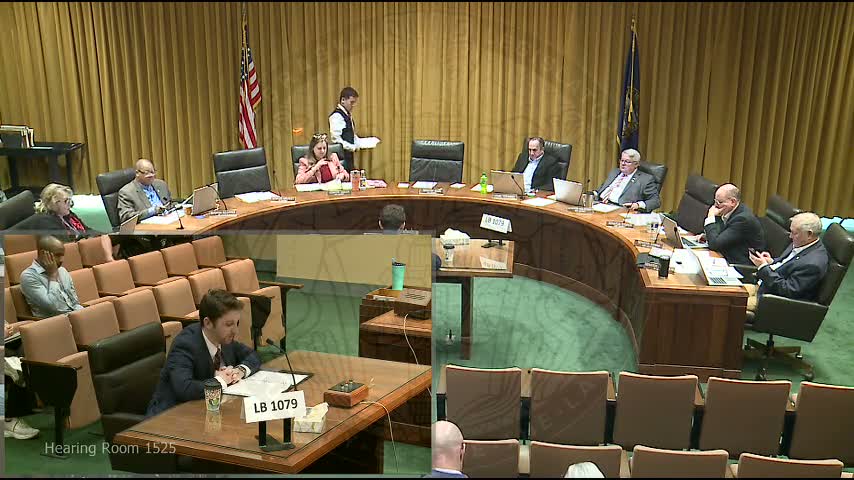
Lawmakers hear LB1079 to target repeat construction-site thieves; prosecutors and sheriffs back enhancements
Loading...
Summary
LB1079 would lower the threshold for habitual criminal enhancements for repeat thefts to help address high-value losses at construction sites. Law enforcement testified about repeat offenders and economic harm; defense and criminal-justice reform witnesses urged careful drafting to avoid disproportionate penalties or unintended consequences.
Josh Koester delivered opening remarks for Senator Brad Von Gillern and outlined LB1079, which would amend habitual criminal provisions to allow enhanced penalties on a person's third felony conviction for theft under certain circumstances without requiring prior prison terms for prior convictions. The change is intended to provide prosecutors with sentencing leverage against repeat offenders who steal valuable equipment and materials from construction sites.
Deputy Mike DeChelis of the Douglas County Sheriff's Office described repeated, high-frequency offenders and gave examples of how persistent thefts—often tied to substance use—damage businesses and raise insurance and replacement costs. He said habitual enhancements are a tool prosecutors currently lack for some repeat, low-dollar-but-frequent thefts and that enhancements could be used selectively for the most dedicated repeat offenders.
Opponents, including criminal-defense representatives, questioned whether lowering the enhancement threshold would be proportionate and whether existing theft statutes and sentencing options already permit significant penalties for high-value thefts. Witnesses suggested alternatives such as narrowly targeted statutory amendments or penalty structures that avoid overly broad habitual classifications.
Committee members probed whether enhancements would target a small group of dedicated repeat offenders or unintentionally sweep up other defendants; proponents said the bill is intended as a conversation starter and is open to revisions.
The committee closed the hearing on LB1079 with no final action taken.