
Lawmakers back pilot to boost Earned Income Tax Credit uptake through coordinated outreach (LB1189)
Get AI-powered insights, summaries, and transcripts
Subscribe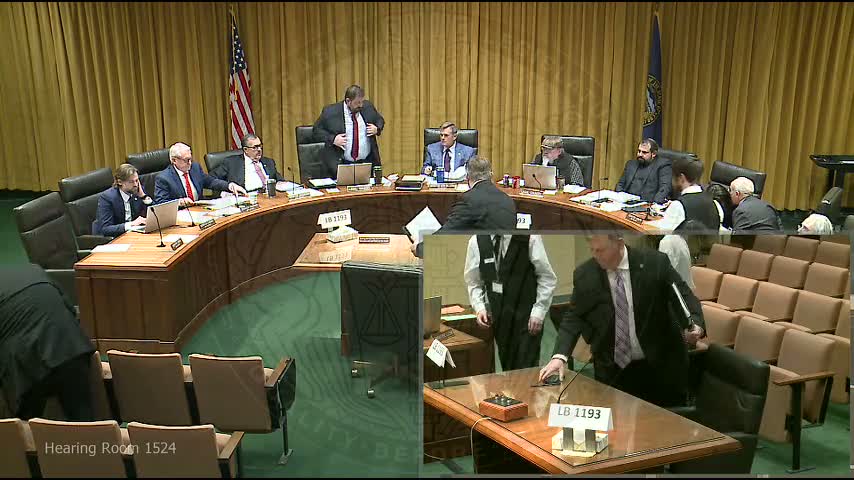
Summary
Sen. Daniel Conrad introduced LB1189 to fund a pilot grant program for outreach and assistance so more eligible Nebraskans claim the EITC; proponents—advocates, chambers, and commissions—said increasing claims strengthens child and family economic security and returns federal dollars to the state.
Sen. Daniel Conrad told the Revenue Committee LB1189 would create a pilot program administered by the Department of Revenue to fund outreach and outreach partners that increase awareness and claims of the Earned Income Tax Credit (EITC). He cited national examples and a Maryland case study showing outreach can increase uptake and improve child welfare outcomes.
Conrad said IRS and state data suggest under‑claiming: roughly 117,000 Nebraska returns claimed the EITC in recent years with an average claim near $2,734, but nationally and in state studies around 15–20% of eligible taxpayers do not claim benefits. The sponsor framed the proposal as an efficient, bipartisan anti‑poverty tool that could be implemented via partnerships with existing VITA, legal aid, community groups, and workplace tax assistance programs.
Voices for Children, Chambers of Commerce, the Nebraska Commission on African American Affairs, and other groups supported the pilot, urging targeted outreach to immigrant communities, rural areas, and families of color. Supporters emphasized using trusted nonprofits and multiple communication channels and suggested the Department of Revenue coordinate rather than duplicate existing services.
Committee members asked how many eligible residents miss the credit and whether private or nonprofit efforts already cover the gap; Conrad said available IRS/state data show utilization gaps and that a small public investment to coordinate outreach can yield large federal inflows to households. No opponents testified at the hearing.