Get Full Government Meeting Transcripts, Videos, & Alerts Forever!
Committee considers extending assault protections to court operations officers
Summary
LB1169 would add court operations officers (security screeners, process servers) to protected classes in Nebraska assault statutes; supporters said these civilian court employees face similar front‑line risks as sworn officers, while opponents raised proportionality and deterrence concerns.
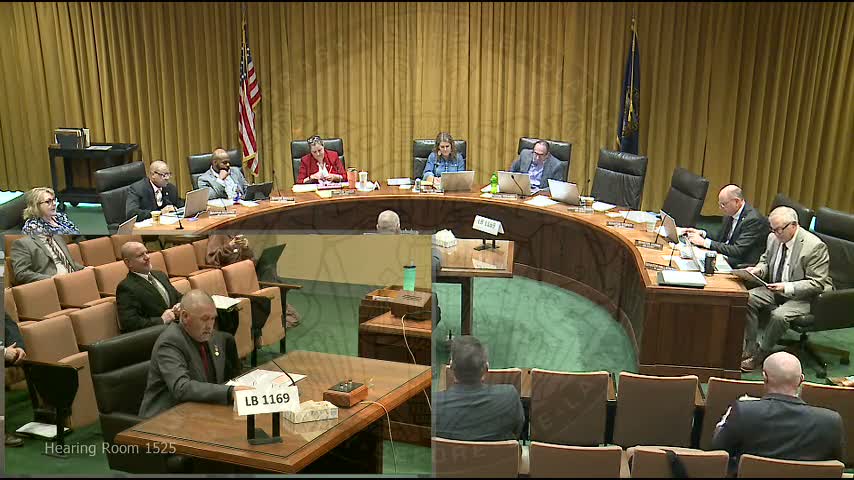
LINCOLN — The Judiciary Committee took testimony on LB1169, a bill to add “court operations officers” to the protected categories in Nebraska’s assault statutes.
Sponsor Sen. Dave Wortikemper said the bill recognizes that many non‑sworn courthouse employees — courthouse screeners, civil process servers and other public‑facing court staff — confront risks similar to peace officers and emergency responders. "This bill corrects this disparity by bringing…
Already have an account? Log in
Subscribe to keep reading
Unlock the rest of this article — and every article on Citizen Portal.
- Unlimited articles
- AI-powered breakdowns of topics, speakers, decisions, and budgets
- Instant alerts when your location has a new meeting
- Follow topics and more locations
- 1,000 AI Insights / month, plus AI Chat