Bill would seek distinct Medicaid reimbursement for long‑acting injectables; DHHS raises CMS approval questions
Loading...
Summary
Senator John Fredericksen asked DHHS to pursue a state plan amendment to establish separate Medicaid rates for long‑acting injectable and extended‑release medications administered in hospitals and ERs. DHHS said the drugs are already covered but warned federal IMD rules could make a CMS approval unlikely for some institutional settings.
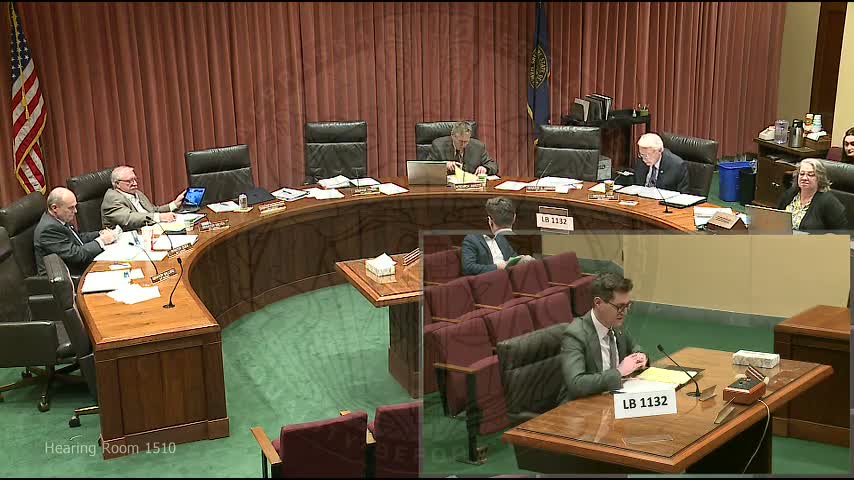
Senator John Fredericksen opened LB1132 by describing clinical scenarios in which giving a long‑acting injectable (LAI) medication to a patient in an emergency or inpatient setting could prevent rapid relapse and readmission. "Long acting injectables can provide therapeutic levels of FDA‑approved medication for a month or more with a single dose," Fredericksen said, and the bill would ensure these medications have distinct reimbursement when administered in hospital settings.
Drew Gonshorowski of DHHS and John Meals, the department's CFO, testified that outpatient drugs and many injectables are already covered benefits under Nebraska’s Medicaid state plan (citing 42 C.F.R. and the Social Security Act in testimony). Meals warned that making reimbursement mandatory for administration in some state psychiatric hospitals could conflict with the federal Institutional Medicaid (IMD) rules, and said CMS approval of a state plan amendment (SPA) is uncertain. That uncertainty, Meals said, is the reason the department had not already submitted a SPA.
Committee members asked whether the state or hospitals currently pay for these medications and whether costs could shift to beneficiaries or state general funds. DHHS said hospitals can bill Medicaid for eligible beneficiaries in many situations and that some regional centers currently receive medication funding from general funds; Meals estimated roughly $2.8 million in state general funds were spent last fiscal year for LAIs administered to patients in state institutions.
Fredericksen said he would work with the department to resolve technical issues; no committee vote occurred during the hearing.