
Bill to re‑earmark Work Ethic Camp proceeds for reentry draws bipartisan support and calls for reporting
Get AI-powered insights, summaries, and transcripts
Subscribe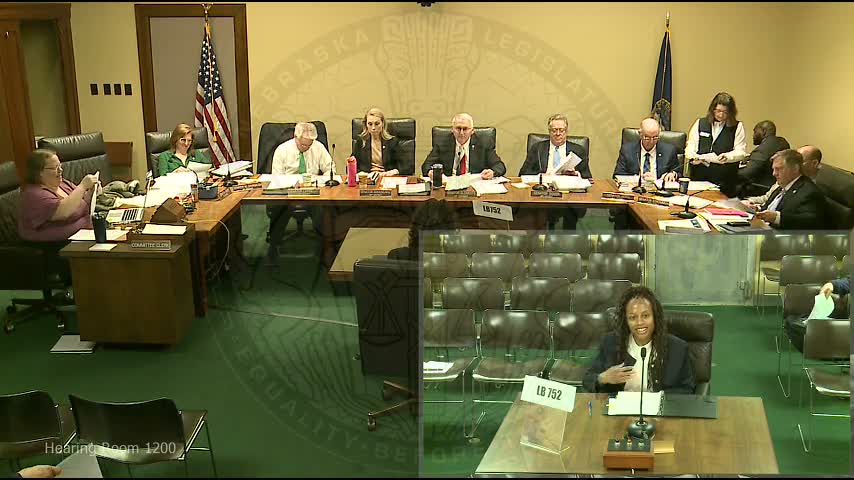
Summary
Sen. Ashley Spivey introduced LB752 to direct proceeds tied to the former Work Ethic Camp (McCook) toward reentry and vocational life‑skills programming; proponents argued reentry investments reduce recidivism and save taxpayers while the inspector general and committee members sought clearer reporting and implementation rules.
Sen. Ashley Spivey introduced LB752, a proposal to earmark proceeds formerly associated with the Work Ethic Camp (WEC/McCook) toward Nebraska’s reentry and rehabilitation programs, including the Vocational Life Skills (VLS) grant fund. Spivey said the purpose is to ensure that proceeds derived from the camp’s reconfiguration and other related funds continue to support rehabilitation and transition programs that reduce recidivism.
Proponents included RISE (a major statewide reentry nonprofit), the ACLU of Nebraska and the Nebraska Commission on African American Affairs. RISE cited a 2025 internal economic analysis showing program graduates produced taxpayer savings through reduced incarceration and unemployment costs; the ACLU framed the bill as a continuation of rehabilitative investment and evidence‑based public safety policy.
Senators used the hearing to probe operational details: how reentry funds are currently used, which grantees receive VLS grants, and how many people would be served by a $5 million earmark. Doug Kobernik, the Legislature’s Inspector General of Corrections, provided neutral background and an excerpted grantee list for the VLS program, noting the program supports both in‑custody and community reentry services including transitional housing, education and employment supports.
Several senators asked for reporting and accountability language so the committee and public can track outcomes. Spivey said she would work with the committee on guardrails and reporting requirements to ensure the money targets evidence‑based reentry activities, and welcome amendments defining eligible uses (housing, education, treatment and employment supports).
The committee took no immediate vote. The bill’s proponents asked the committee to advance LB752 to general file with clarity on reporting, distribution and statutory guardrails.