Get AI Briefings, Transcripts & Alerts on Local & National Government Meetings — Forever.
Bill to require 50.1% turnout for school bond approvals draws broad opposition from districts and builders
Loading...
Summary
LB765 would require school bond elections to have at least 50.1% turnout of qualified/registered voters to be valid and would prohibit use of public funds to campaign. Supporters framed it as taxpayer protection; superintendents, bond counsel, construction and school associations warned it’s unworkable, risks disenfranchising engaged voters and would delay needed projects.
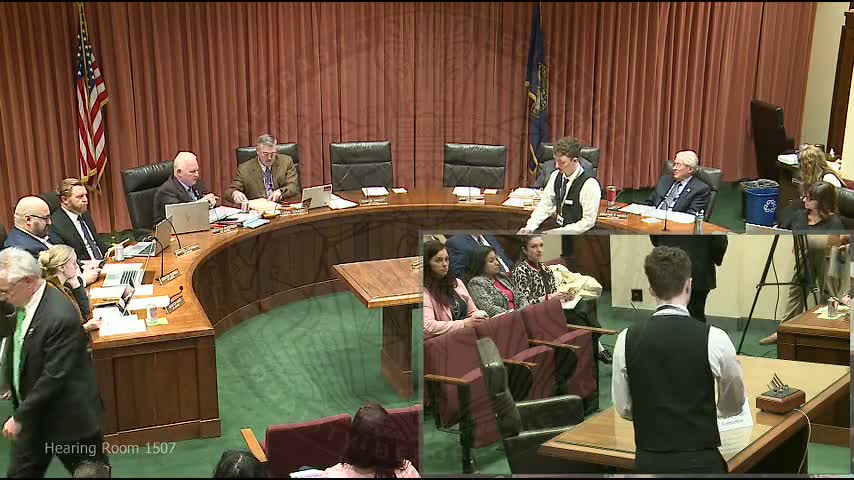
Senator Rick Holcroft introduced LB765 to the Government, Military and Veterans Affairs Committee as a measure to ensure that large school bond obligations receive approval from a majority of a district’s qualified voters rather than a motivated minority in low‑turnout special elections.
Holcroft said the bill would require at least a 50.1% turnout of eligible voters in the school district for a bond measure to be valid and would bar public funds from being used to campaign on a bond. "If voters are asked to approve the expenditure of large sums of money, a majority of them have made their voices known at the ballot box," Holcroft said, citing examples including a Millard Public Schools $185 million bond that passed with about 28% turnout.
Proponents—including Nebraska Taxpayers for Freedom, the Platte (Platt) Institute and several rural residents—said the bill would protect taxpayers from long‑term debt approved in low‑participation mail ballots and curb districts’ use of paid marketing and public resources to promote bond measures. Doug Kagan of Nebraska Taxpayers for Freedom said stricter thresholds "guarantee that a small highly motivated group of voters cannot impose a substantial lengthy tax increase on an entire community."
Opponents were numerous. Dr. Chip Kay, superintendent of Columbus Public Schools, argued the 50.1% threshold is "virtually impossible to achieve" across many districts and would prohibit schools from providing factual information if the definition of "promote" is interpreted broadly. Mike Rogers, a bond attorney, warned the bill uses the constitutional phrase "qualified electors," which case law distinguishes from registered voters, and said the state lacks a statutory mechanism to determine the denominator for the 50.1% test. Construction, architecture and statewide school organizations argued the turnout gate would raise costs by delaying projects and would disproportionately harm rural and growing districts.
Local officials gave concrete examples: Bennington’s 2025 bond passed with 71% approval but would have failed under the proposed turnout rule; Columbus described successive attempts and the practical growth reasons for multiple bond calls. County and school leaders also warned of a perverse incentive: "Don't vote" strategies that could be used by opponents to depress turnout and defeat measures despite majority support among those who participate.
No formal action was taken. Committee members asked the Secretary of State and legislative staff to research contested numeric claims and to consider clarifying language (registered voters vs. qualified electors, definitions and testing dates) should the bill advance.