Nebraska hearing on ‘Real Food Act’ spotlights divide between agriculture and dietitians
Loading...
Summary
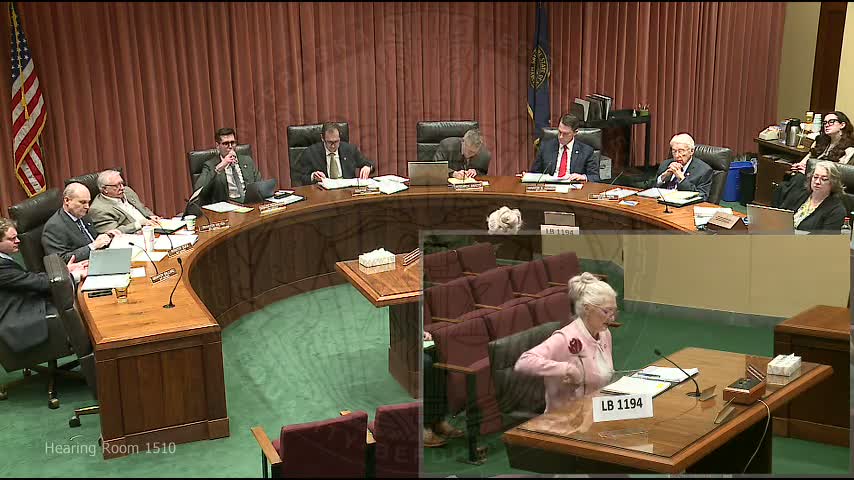
The Health and Human Services Committee heard hours of testimony on LB1194, the "Real Food Act," which would codify recent USDA dietary guidance in state law. Supporters from agriculture called it an educational tool to promote local foods; registered dietitians warned state guidelines could conflict with federal rules and risk federal nutrition funding.
Senator Tanya Storer introduced LB1194, the Real Food Act, telling the Health and Human Services Committee the bill would codify the newly released federal dietary guidance into a voluntary, educational framework for state agencies, schools and public health programs. "These guidelines presented to you in the Real Food Act are a return to basics that prioritize real food for long term health," Storer said in her opening remarks.
Proponents from Nebraska agriculture — including Seth Mitchell of the Nebraska Pork Producers Association and Elizabeth Hurst of the Farm Bureau — urged the committee to advance the bill as a way to align state education and outreach with federal guidance while highlighting foods produced in Nebraska. "LB1194 recognizes the importance of whole foods, including high quality protein sources such as red meat, dairy, eggs, fruits, vegetables, and whole grains as part of a healthy, balanced diet," Mitchell said.
Opponents, principally registered dietitians representing the Nebraska Academy of Nutrition and Dietetics, argued the bill risks promoting foods higher in saturated fat without adequate context and could create confusion with federally mandated standards for programs such as WIC and school meals. "Establishing a separate set of state dietary guidelines may complicate funding for these agencies," said Nikki Kubiak, who testified in opposition. Dr. Stephanie Ruff, a university professor and dietitian, said state guidelines add another layer of complexity for clinicians and students trained to follow national guidance.
Committee members pressed supporters and clinicians on whether the statute could inadvertently override federal requirements. Storer and witnesses repeatedly said the intent is educational, not prescriptive; Storer noted an amendment has removed most mandatory language and said the only remaining "shall" would require agencies to include information about foods commonly produced in Nebraska in educational materials.
Testimony also included process details for the committee record: Storer said there were six online proponents and 28 online opponents. Several dietitians expressed concern that divergent state guidance could jeopardize federal funding for programs that must follow U.S. Dietary Guidelines for Americans.
The hearing closed without a committee vote; the sponsor asked the committee to advance the bill to general file. The Legislature’s hearing record will include the written exhibits submitted by both proponents and opponents.