
Legislature advances bill to align Nebraska 529 rules with recent federal changes amid budget questions
Get AI-powered insights, summaries, and transcripts
Subscribe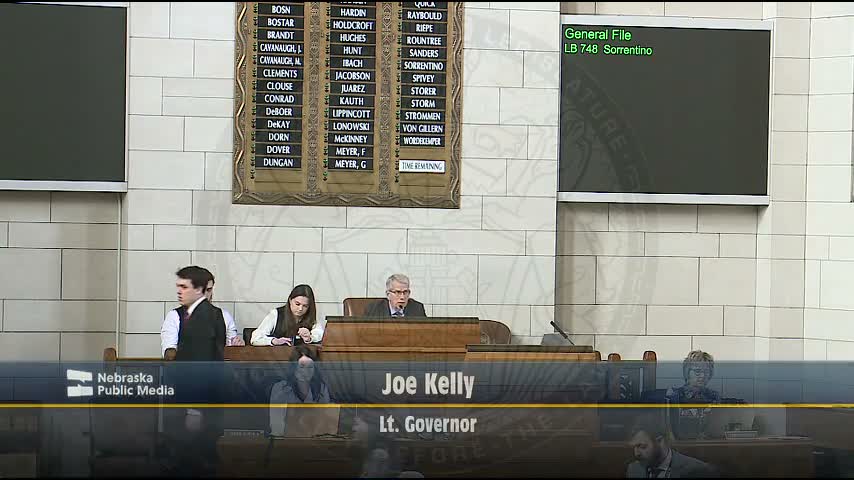
Summary
Senators advanced LB748 to adopt federal changes to 529 (NEST) plans — expanding qualified K–12 and credential expenses — while some senators warned separate budget language would transfer administrative 529 funds to the Education Future Fund to offset deficits.
The Legislature advanced LB748, a bill to conform Nebraska's NEST 529 rules to federal changes enacted in 2025, expanding qualified K–12 expenses and allowing withdrawals for postsecondary credential programs.
Sponsor Senator Sorrentino said the bill updates state law so Nebraska's NEST remains competitive following federal changes and will permit qualified K–12 expenses beginning in 2029 and allow withdrawals up to the federal limit for certain credentialing programs.
On the floor Senator Mikaela Kavanaugh raised a budget concern tied to a separate budget bill (LB1072), saying authorizing transfers from NEST's administrative and expense funds into the Education Future Fund would effectively take fees paid by account owners to administer the program and redirect them to cover general budget priorities. "This is my children's money," she said, warning of administrative cost increases and the optics of sweeping fee-funded cash.
Senator Sorrentino replied that LB748 itself does not change contribution rules or tax treatment and that withdrawals remain tax-exempt; he argued the bill simply expands allowable uses consistent with federal law and contains no direct fiscal impact. Supporters said the change helps families use 529 funds for vocational and credential programs and reduces confusion for account holders comparing state plans.
LB748 was advanced to E & R initial on the floor and will proceed to select-file where senators may pursue amendments or clarify budget links. The floor record captures strong interest in potential transfers and the broader budget picture; the transcript includes both the sponsor's assurances and persistent concerns from budget-focused members.