Broadband installers seek narrow 811 exemption for hand‑buried drops; utilities and 811 board warn of safety risks

Transportation and Telecommunications Committee · February 10, 2026

Get AI-powered insights, summaries, and transcripts

Subscribe
AI-Generated Content: All content on this page was generated by AI to highlight key points from the meeting. For complete details and context, we recommend watching the full video. so we can fix them.

Summary

Proponents said LB1093 (with amendment) would let technicians hand‑bury temporary drop lines and speed customer hookups; the Nebraska 1‑Call board, natural‑gas and electric utilities, and city utilities strongly opposed the measure, citing risks of hitting buried lines and long‑term damage.

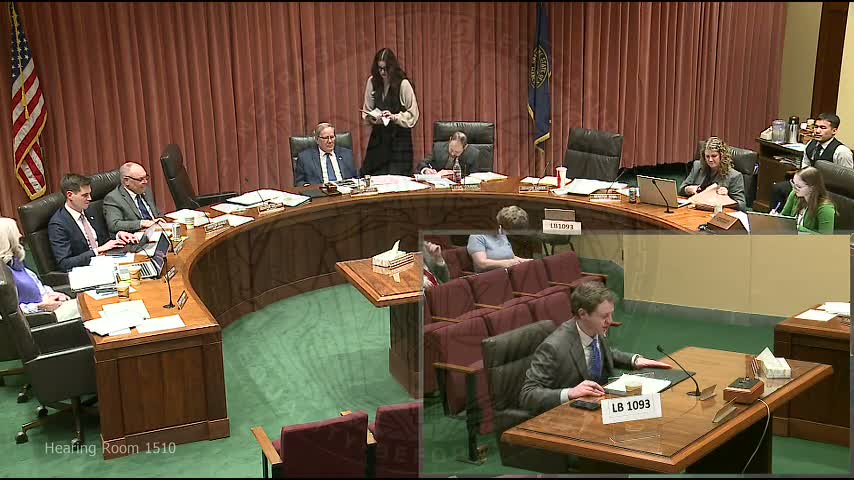
Sen. Beau Ballard told the committee LB1093 — as amended — would add a limited exemption to Nebraska’s 1‑call statutes so telecommunication and broadband providers can hand‑dig shallow drop lines for same‑day customer connections in a narrow set of circumstances. Ballard said the amendment limits hand‑digging depth to 18 inches within 12 inches of a pedestal and 8 inches elsewhere and adds strict liability for any damage.

Dayton Murty of Charter/Spectrum testified the current process can leave temporary drop cables exposed for days or weeks, particularly after winter, and that a hand‑dig exemption would let field technicians complete installations the same day. "Eliminating the 811 call will reduce the timeline from a multi week process to a same day installation, in most cases," Murty said, describing the intended digging method (a wide spade or similar tool) and emphasizing the request covers a narrow operational need.

Opposition was broad and emphatic. Nathan Stewart, chair of the Nebraska 1‑Call Board, testified that federal pipeline safety regulators (PHMSA) have urged minimizing exemptions to locate laws and that routine locates typically occur within 48 hours; he said the safety risk of exemptions is not outweighed by convenience. Representatives from Black Hills Energy, Lincoln Transportation & Utilities, public power districts and other utilities described frequent underground hits tied to insufficient excavation practice and said private service lines and sprinkler systems often run shallow — sometimes within inches — increasing the likelihood of damage, service interruption and latent failures.

Several opponents noted that even when lines are marked, damage still occurs, citing annual hit counts and repair costs. Jill Becker (Black Hills Energy) said the company averages more than 100 hits a year where excavation practices were insufficient and additional hits where no notification was made. Public power and water utilities warned of water interruptions and latency in detecting damage that can manifest months later.

Supporters and proponents said the amendment narrows the original proposal and added strict liability to assign responsibility for any damage. Sen. Ballard said he remains willing to work with stakeholders and urged the committee to advance the amended bill to general file to continue negotiations.

What’s next: The bill received extensive testimony for and against it; the committee did not vote. If amended further, the committee may revisit liability language, precise depth limits, and carve‑outs to address utility safety concerns.