Bill to expand daily take‑home books for K–3 students draws support and concerns over reading standards
Loading...
Summary
LB 1201 would pilot daily take‑home books for kindergarten through third grade in high‑need elementary schools, with the Department of Education tracking engagement and literacy outcomes. Supporters cited program evaluations and scalability; opponents warned the bill’s language risks weakening the Reading Improvement Act’s evidence‑based material requirement.
Sen. Christina Prentice introduced LB 1201, a pilot program directing the Nebraska Department of Education to provide age‑appropriate, high‑quality books for kindergarten through third‑grade students to take home daily. The pilot would prioritize schools with higher shares of economically disadvantaged students and lower reading proficiency and require participating districts to report on student engagement and reading outcomes.
Proponents told the Education Committee the approach is a relatively low‑cost intervention that increases access to books, supports family engagement and complements classroom instruction grounded in the science of reading. Angie Miller, executive director of DIBS for Kids (Delivering Infinite Bookshelves for Kids), said her nonprofit serves roughly 7,000 Nebraska students and has given more than 335,000 physical books this school year; she described an internal five‑year evaluation showing reading gains for Title I students who received take‑home books.
Miller said her group’s funding mix includes philanthropy, earned revenue and grants; she told the committee DIBS targets Title I schools, English‑language learners and rural districts with limited library access. Committee members asked about physical versus digital books and program funding models; Miller said evidence favors physical books for early readers and described DIBS’s mix of funding sources.
Opponents raised concerns about amending the Reading Improvement Act. Heather Schmidt, speaking as a parent and member of the Early Childhood Interagency Coordinating Council (not testifying on its behalf), said LB 1201 would alter language in the Reading Improvement Act that she interpreted as requiring evidence‑based, decodable materials. She asked the committee not to remove or weaken statutory language that guides classroom instruction and the 'science of reading.'
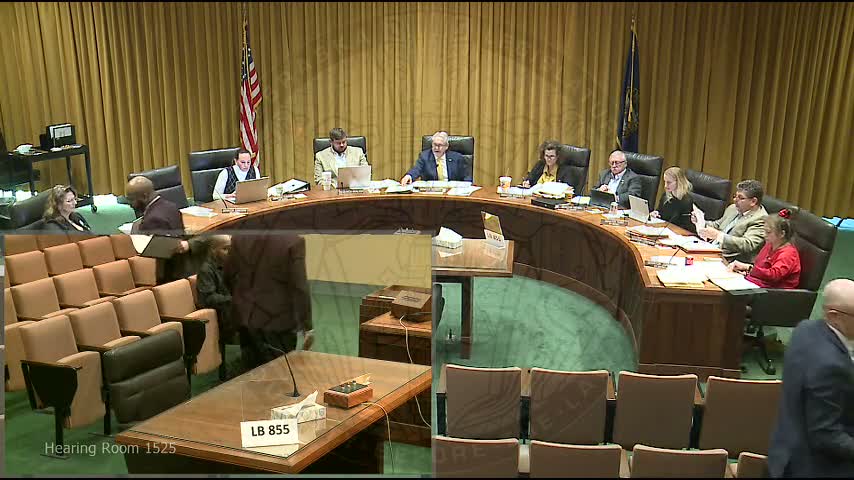
Chair Dave Mermin reported online testimony counts (9 proponents, 45 opponents) and closed the hearing on LB 1201. No committee vote was recorded during this session; the committee moved to executive session to conclude other business.
Next steps: The bill will be under committee consideration; if advanced it will require the department to establish program guidelines, track outcomes and work with districts on distribution and evaluation.