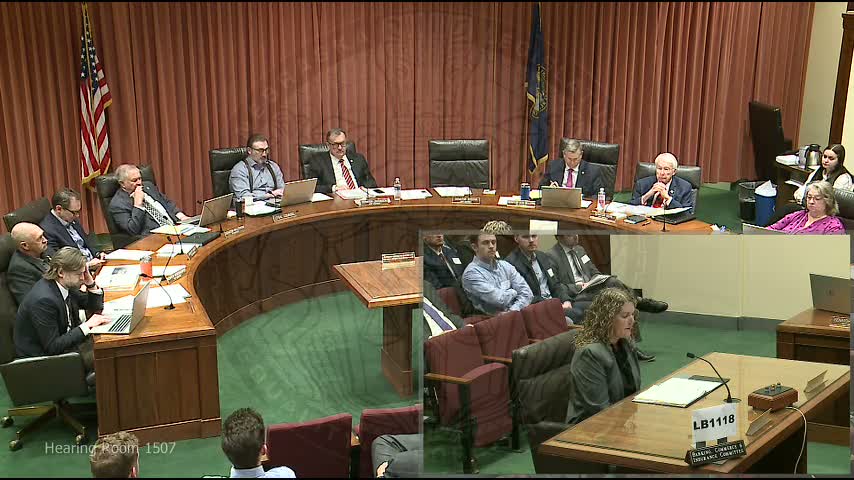
Nebraska hearing splits on proposed ban of surveillance pricing and limits on electronic shelf labels
Loading...
Summary
LB 1006 would restrict dynamic, surveillance‑driven pricing and prohibit certain uses of electronic shelf labels (ESLs); labor and consumer groups urged limits to protect shoppers while retailers and ESL makers warned the bill is overbroad and may remove beneficial pricing tools.
Senator (District 7) opened LB 1006 to the Banking, Commerce and Insurance Committee, saying the bill would ban surveillance pricing and require clear printed shelf prices in retail settings. Proponents—workers, union representatives, and community members—testified that electronic shelf labels (ESLs) and algorithmic pricing could enable discriminatory or rapidly changing prices that hurt families on fixed budgets.
"Charging different prices to different people is discrimination, plain and simple," said a proponent, urging the committee to limit technology that could vary what shoppers pay based on personal data. Supporters also raised concerns about data collection and the potential for dynamic price spikes during high‑demand events.
Opponents included ESL manufacturers, the Nebraska Retail Federation, grocery associations and the Chamber of Progress. Jessica Vittorio of Vision Group Inc., an ESL maker, told the committee that the tag hardware itself "does not use cameras, facial recognition, or biometric identifiers" and that digital price tags are primarily a display mechanism; she said retail price changes are typically scheduled in the retailer's backend and that a tag vendor does not normally have access to personal consumer data.
Retail groups warned LB 1006 could remove tools that reduce labor costs, minimize pricing mismatches between shelf tags and point‑of‑sale systems, and enable targeted discounts and promotions that benefit consumers. Trade witnesses offered technical context about how ESLs are deployed and said surge pricing and targeted coupons are distinct practices that deserve narrower solutions.
Committee members asked detailed technical questions about how ESLs interact with point‑of‑sale systems, how quickly tags update, and the feasibility of distinguishing harmful surveillance pricing from legitimate pricing strategies. No formal action or vote was recorded in the hearing transcript.