
Bill would broaden crackdown on out‑of‑state registrations, target tax avoidance schemes
Get AI-powered insights, summaries, and transcripts
Sign Up Free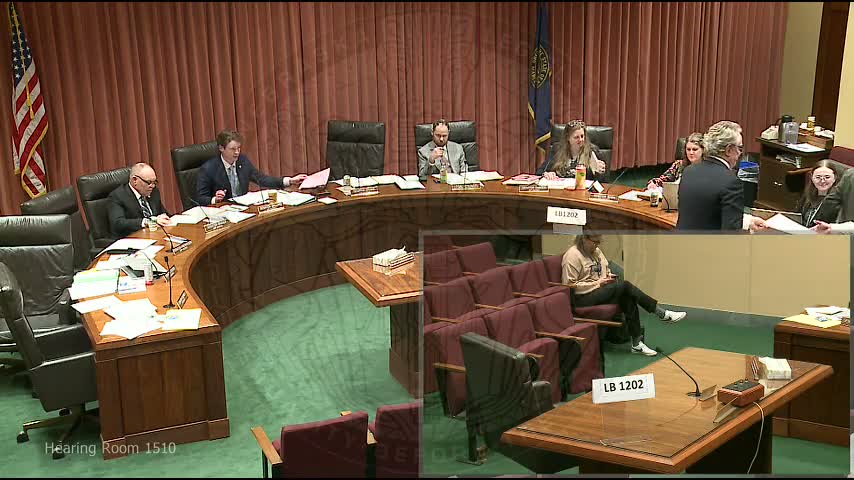
Summary
LB1104 would expand enforcement tools used for RV registration to all motor vehicles so DMV and Department of Revenue can identify and compel Nebraskans to register and pay fees; sponsors cited South Dakota and Montana as jurisdictions enabling avoidance, and the bill includes a 50% late fee for unpaid taxes.
Senator Robert Dover introduced LB1104, the Fair Share Motor Vehicle Tax Bill, saying the measure is intended to ensure Nebraskans pay registration taxes when a vehicle has sufficient connection to the state. Dover said the bill clarifies when a vehicle must be registered in Nebraska and strengthens enforcement tools to address deliberate tax avoidance through out‑of‑state registrations.
Rhonda Lam, director of the Department of Motor Vehicles, testified in support and said LB1104 would give DMV and the Department of Revenue the authority to make administrative determinations about whether an individual is avoiding payment of motor vehicle taxes and fees and to direct those individuals to register and pay Nebraska fees. Lam said current laws primarily addressed RVs; LB1104 expands the framework to all motor vehicles to address growing concerns about registrations in states that allow nonresidents to register vehicles.
Lloyd Todd of the Nebraska New Car and Truck Dealers Association described how some states have become attractive registration destinations for nonresidents and called South Dakota a "prime example" of a state that benefits from improper registrations. He said the bill includes a 50% late fee for unpaid taxes and fees and that enforcement will rely in part on local reporting and law enforcement identifying vehicles that appear to be kept in Nebraska but registered elsewhere.
Senators asked about enforcement mechanics and how reports would be investigated; the sponsor explained DMV and Revenue would determine whether a vehicle had been kept in the state more than 30 days, whether the owner is a Nebraska resident, and whether indicators (insurance, property ownership, income‑tax filings) show a sufficient connection to Nebraska. If the agency determination finds improper registration, residents would have 30 days to pay and comply; otherwise a 50% late fee would be imposed and funds credited to the Highway Trust Fund.
Committee members pressed on investigative responsibility (local law enforcement or county attorneys), the administrative process and remedies, and possible penalties; no opposition or neutral testimony opposed the bill in the transcript that day. The hearing closed with the sponsor summarizing the enforcement thresholds and next steps; no committee vote was recorded at the hearing.