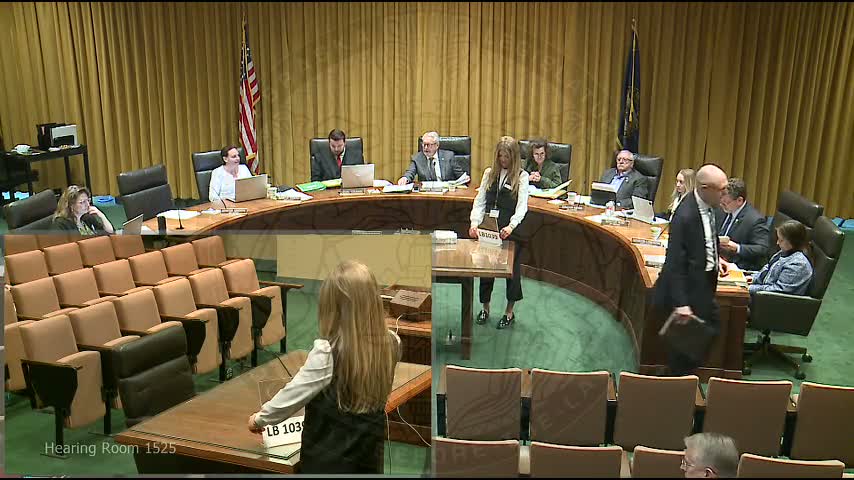
Large, contested hearing on bill proposing $50,000 state-funded teacher base and block grants
Loading...
Summary
LB 11-82 would set a $50,000 statewide base salary for all full-time certified teachers and shift toward quarterly block grants to fund that base. Proponents argued it could reduce property-tax burdens and raise teacher pay; opponents warned it risks equity erosion, salary compression and uncertain fiscal impacts to districts like Omaha Public Schools.
Sen. Lauren Lippincott opened LB 11-82 proposing a statewide $50,000 minimum annual base salary for every full-time certified teacher beginning in the 2027–28 school year, paired with a transition toward a block-grant foundation aid system. Sponsors said the measure would be funded by redirecting TEOSA (state aid) and argued it would provide predictability, raise teacher pay statewide and enable property tax relief when coupled with companion legislation.
A large and partisan set of witnesses spoke to the bill. Supporters — parents, private citizens, former teachers and advocates — framed the proposal as a necessary structural reform to fix Nebraska’s property-tax-driven school funding, arguing 23,000 teachers multiplied by the $50,000 base aligns with existing TEOSA totals and could reduce local levies. Several proponents emphasized teacher recruitment and retention benefits and framed the change as part of a larger block-grant and property‑valuation reform plan.
Opponents — including OpenSky Policy Institute, Omaha Public Schools and statewide education nonprofits — cautioned that LB 11-82 replaces a student‑need–based formula (TEOSA) with a resource-based block grant, risking inequities for districts with higher special-education or poverty burdens. They warned of salary compression (reducing pay differentiation by experience and credentials), cash-flow disruption from quarterly grants, and unclear long‑term fiscal consequences. Omaha Public Schools' CFO said OPS’s starting salary already exceeds the proposed floor and urged more detailed funding mechanics before any structural shift.
Committee members pressed on local levy impacts, district-level differences in property valuation per student, unintended consequences such as changing teacher distribution, and whether consolidation or other reforms would be required to equalize levies. The hearing drew a wide mix of testimony, and sponsors said they would continue discussions but sought to advance the bill as part of a broader package for property-tax relief and teacher pay reform.