Get Full Government Meeting Transcripts, Videos, & Alerts Forever!
Get email alerts on the Animal Services topic
No spam. Unsubscribe anytime.
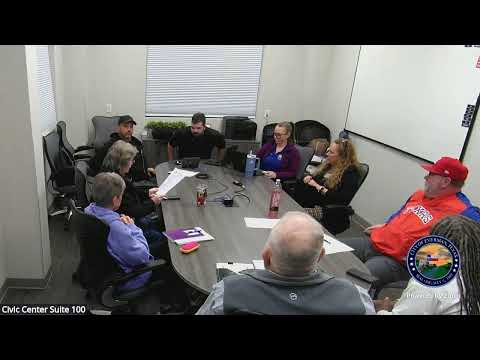
Everman advisory committee backs ordinance and outlines $2 million plan for new animal shelter
Summary
The Everman Animal Shelter Advisory Committee recommended that Forest Hill and Everman councils adopt a shared animal‑control ordinance and reviewed a plan for a new, state‑of‑the‑art shelter—property secured and funding sought via grants and a potential 2027 bond package.
The Everman Animal Shelter Advisory Committee voted to recommend that the Forest Hill and Everman city councils adopt a drafted shared animal‑control ordinance and heard a progress report on plans for a new municipal animal shelter. Committee members emphasized recent operational improvements, volunteer programs, and neighborhood vaccination and microchip clinics as part of a strategy to reduce intake pressures and increase adoptions.
Ray Richler, who led the presentation, said the advisory group has secured a property for a proposed new shelter and has submitted a grant application; if federal or state grant funding is not available, the committee plans to pursue the project through the city’s capital improvement and bond schedules. “We’re looking at close to $2,000,000 is where the funding requirement would be for that,” Richler said, adding that the shelter concept design and property acquisition place the project “very close” to moving forward.
Richler described several operational gains since the committee began working with municipal animal services, including staffing additions and shorter stays for animals. He said the shelter maintained a 2023 live‑release rate of about 82 percent while reducing average dog length of stay from roughly 30 days to under seven days; intake also rose during the period, from 353 to 566 dogs and from 87 to 176 cats. “We brought in 566 dogs versus 353, and we brought in 176 cats versus 87,” Richler said, and added that the new facility would include separate quarantine rooms and design features (indoor/outdoor kennels, play yards and a welcoming entry) intended to increase adoption rates.
The committee discussed program details that accompany a new facility: a volunteer handbook and role structure (the city’s volunteer policy currently covers participants 18 and older), a mobile adoption unit intended for neighborhood adoptions and clinics, and a trap‑neuter‑return (TNR) program to address feral cats. Richler noted operational constraints—rabies vaccines require a licensed veterinarian and volunteers may need specific training or waivers—but said partnerships with rescue groups and grantmakers (for example, organizations that support TNR work) are already expanding capacity.
On the ordinance, committee members said the draft aligns municipal enforcement across both cities and would make enforcement more consistent. Committee leadership recommended that a motion of support be made when Forest Hill takes up the ordinance; after the advisory committee motion, an audio recording of the meeting indicated the committee’s action will be placed on Forest Hill’s council agenda on the fourth, with Everman’s council to consider it the following week.
At the meeting’s close, a committee member moved that the advisory committee recommend the ordinance as drafted to both city councils; the motion was seconded and approved by raised hands. The committee did not record a roll‑call tally in the minutes; the audio indicates unanimous consent with no opposition voiced. The advisory committee will forward its recommendation so the councils can consider formal adoption and any final amendments.
Next steps: the ordinance is scheduled for the Forest Hill council meeting on the fourth; if adopted there, it will return to Everman’s council the following week for consideration. Planning and funding work on the new shelter will continue, and committee members said they expect design, procurement and construction to take roughly two to three years after funding is secured.