Get Full Government Meeting Transcripts, Videos, & Alerts Forever!
Get email alerts on the Midstream Payments topic
No spam. Unsubscribe anytime.
Contractors warn of cash‑flow strain as PSC hears midstream payment delays; utilities defend anti‑fraud controls
Summary
Contractors at a Public Service Commission EMPOWER hearing said slow midstream rebate payments are leaving some companies months out of pocket and risking business closures, while utilities and implementers said QA/QC and distributor batching are intended to prevent fraud and reduce administrative costs.
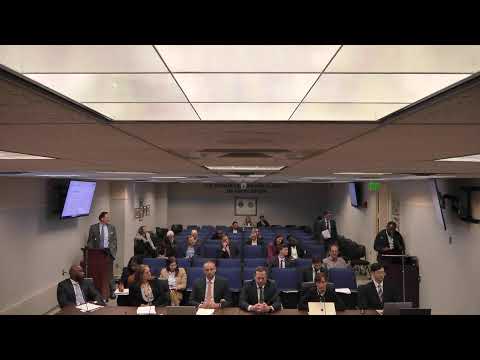
Contractors and industry representatives told the Public Service Commission on Nov. 17 that delays in midstream rebate payments for electrification projects are creating serious cash‑flow problems for many small firms.
Sean Malloney, president of the Heating and Air Conditioning Contractors association, said contractors can be “60 days and, but somewhere between 60 days and 6 months” out of pocket while they wait for reimbursement. He described cases in which contractors had tens of thousands of dollars tied up, were receiving calls from distraught employees, and were threatening to leave the program or pursue legal remedies if payment timing did not improve.
The testimony followed a staff update on the midstream delivery model, which channels incentives through equipment distributors and then to contractors. Staff said the model improves distributor stocking of high‑efficiency equipment and enables batch processing of invoices. Andrew Schlicht (staff) told the Commission the work group had considered instant‑rebate models but did not recommend a full switch because past pilots were inconclusive and a wholesale structural change could introduce new risks.
Contractors argued the distributor step creates an unnecessary three‑party lag in payment. “You get the money back between 30 to 45 days from the utility, and then the distributor can add another month or more,” Malloney said, describing how multiple jobs amplify the problem and cause severe strain during peak seasons.
Utilities and implementers pushed back that distributor batching, third‑party implementers, and QA/QC checks are designed to reduce fraud and administrative costs. Eric Riopko of Baltimore Gas and Electric said data from pilot transitions show increased contractor participation and that distributors enable the program to scale by stocking qualifying equipment in advance. Maci McDaniel, vice president at ICF (an implementer), said distributors routinely review applications weekly and that many now pay contractors in advance of receiving reimbursement from the utility.
Several smaller utilities, including SMECO, told the Commission they had average turnaround times near 30 calendar days and had not received complaints from contractors in their service areas. Utilities noted that moving to a downstream or instant‑discount model could raise administrative costs and potentially reduce participation.
The Commission and stakeholders pressed for concrete operational data. Commissioners asked utilities for an aging schedule and a count of measures, distributor partners and payments to quantify how many checks would be issued under different designs.
The hearing ended with mixed signals: contractors urged temporary downstream or distributor‑advance measures to protect small businesses, while utilities argued that the midstream model is achieving increased heat‑pump adoption and that tighter vendor and distributor coordination is the safer path. Staff and several parties agreed to take bench requests for specific payment timing and aging data and continue work‑group discussions.
The Commission did not take action at the hearing; parties were asked to provide data about payment batches and ageing schedules so the Commission can evaluate whether targeted changes (bench reforms, pilots, or requirements for distributor turnaround) are appropriate.