
Judges praise accountability courts' results but warn opioid-settlement restrictions could hobble broader treatment
Get AI-powered insights, summaries, and transcripts
Subscribe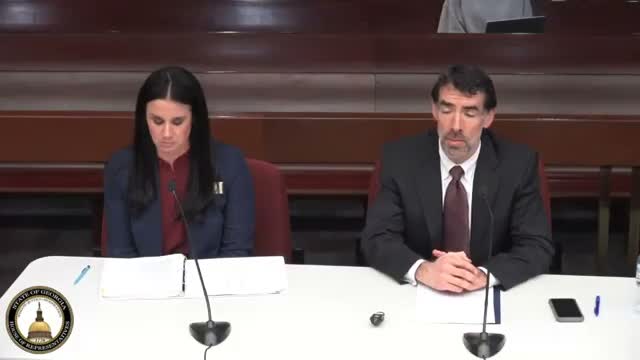
Summary
Accountability-court leaders told appropriators the programs reduce recidivism and expand, but warned that routing two-thirds of their proposed budget through opioid-settlement funds may legally restrict spending to opioid-specific treatment and leave most participants without services.
Judges and accountability-court officials asked the House subcommittee to consider how settlement funds are being used to support expanding treatment tracks, while warning about a legal restriction that could limit flexibility.
Judge Robert McBurney described increases in participation and favorable outcomes from accountability courts — including recidivism reductions and higher employment rates among graduates — and said the council's growth-driven budget request mostly reflects success. He said participation rose and that drug-court recidivism has fallen substantially in many tracks.
McBurney raised a budgetary concern: roughly two-thirds of the council's proposed budget is expected to come from opioid-settlement funds. He warned attorneys and judges have interpreted settlement language narrowly, limiting some uses to treatment for individuals with an active opioid addiction. That restriction, McBurney said, could prevent courts from using the money to treat the larger population with non-opioid substance-use disorders.
"If we get $200,000 through that fund, we would need to limit that to treating opioid through that fund...we would not be able to provide any treatment for everyone else," McBurney said, adding they have asked the attorney general for an opinion but may not have one before the budget is set.
Council staff also presented growth-related budget numbers, including a $3.2 million figure to keep up with an expansion that served 1,000 additional participants in recent years and a $93,602 estimate for a Rockdale County veterans-treatment track expansion.
Appropriators thanked presenters and said they would continue to evaluate how settlement dollars and general funds could be used to sustain effective court tracks.