Shelter directors urge $12.3 million in state support as VOCA and ARPA funding wind down
Loading...
Summary
Directors for domestic-violence and sexual-assault programs told the House Public Safety Subcommittee on Appropriations that expiring VOCA and ARPA funds will force cuts to shelter beds, therapy and transportation; operators asked the committee to add $12.3 million for shelters and about $3.3 million for sexual-assault centers to maintain services.
Domestic-violence and sexual-assault program leaders urged the House Public Safety Subcommittee on Appropriations to add state funding to replace shrinking federal grants, saying the result otherwise will be fewer beds, fewer therapists and longer waits for victims.
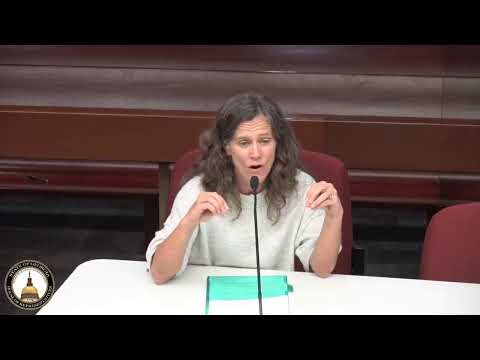
"This request today isn't an attempt to fill that gap...we're asking the state to properly fund its own certification requirements and core services," Michelle, a shelter director testifying to the committee, said, asking the panel to approve $12,300,000 for domestic-violence shelters and roughly $3.3 million for sexual-assault programs to cover operating shortfalls.
Witnesses and staff told the committee that federal Victims of Crime Act (VOCA) funds and one-time ARPA awards had temporarily bolstered shelter and victim-service budgets, but those sources are declining. CJCC staff said previously awarded ARPA money helped keep services at a 2020 level; they warned an anticipated drop from $113 million to $83 million in the statewide victim-services award would force cuts. Testimony described likely reductions to hotel placements for victims, transportation services to school and medical appointments, in-house therapy and advocate positions.
Shelters provided specific local examples: the Valdosta operator said her system had a shortfall of about $667,000 for one shelter and $300,000 for another in Waycross, and reported that in 2025 certified domestic-violence programs and related services recorded 15,928 people denied shelter because of capacity limits. She said hotels were used last year when shelter beds were full, costing her program $145,000; about $97,000 of that came from local funds.
Marina Peade of MOSAIC Georgia, a sexual-assault and child-advocacy center, reported that Mosaic answered more than 1,100 crisis calls last year, conducted 530 forensic interviews and provided over 350 medical-forensic encounters; she said the center faces a roughly $500,000 projected loss of federal funding and higher insurance costs. Child-advocacy providers warned that CACs (child advocacy centers) nationwide have an estimated average cost of $2,579 per child and that Georgia's state support ($67,000 per center) covers far fewer children than centers serve.
Committee members said they sympathize but emphasized limited statewide dollars and asked staff to prioritize where possible. The hearing closed with committee members thanking witnesses for their work and pledging to consider the requests as budgets are finalized.
The subcommittee did not take a vote on any of the funding requests during the hearing; the matters were presented for consideration in the FY27 appropriations process.