
Lawmakers Press Industry Witnesses on In‑cab Recording, Privacy and Potential Misuse of AI Monitoring
Get AI-powered insights, summaries, and transcripts
Subscribe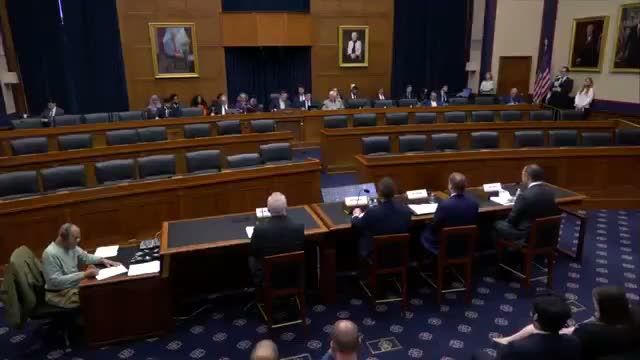
Summary
Representative Casar and other members pressed industry witnesses about whether employer-configured in‑cab cameras and AI systems could record private calls or be used to identify union organizers; the Samsara witness said extended recording is "theoretically possible" but said he was not aware of customers using it that way.
Representative Casar pressed Johan Land of Samsara on whether in-cab cameras can record drivers for the full duration of a trip and whether recordings can continue after a vehicle stops, potentially capturing private phone calls. "It is possible that they could record them the whole time they drive," Land testified, and later described continuous or post-stop recording as "theoretically possible" depending on installation and customer settings.
Casar framed the concern in labor-protection terms, asking whether continuous monitoring would make it easier for an employer to identify employees organizing or to surface health information such as doctor calls. Land responded that privacy and recording behaviors are configurable by customer settings and by driver- and employer-set preferences, and stated he was not aware of customers using the technology to record private conversations.
Ranking Member Omar and Douglas Parker raised broader examples and risks from surveillance, with Parker describing how algorithmic management and aggressive monitoring can cause stress, reduce mental health and encourage unsafe work pacing. Parker, a former OSHA official, said surveillance-based pressure can translate into physical harms and described an OSHA investigation (unrelated to Samsara) in which a robotics device crushed a worker after a maintenance change and failure to reprogram the device.
Witnesses and members agreed on the need for human-in-the-loop design, transparency, auditing and worker involvement in deployment decisions. The hearing did not produce regulatory action or a vote; members suggested legislative and agency responses could be considered in follow-up activity.