Get Full Government Meeting Transcripts, Videos, & Alerts Forever!
Get email alerts on the Governance Culture topic
No spam. Unsubscribe anytime.
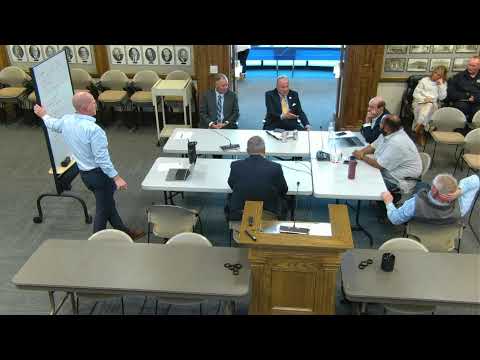
Cedar City council opens retreat with focus on governing norms and rebuilding trust with staff
Summary
At a governance retreat, Cedar City council members and city staff spent the meeting establishing norms for debate, clarifying appropriate council‑staff channels, and agreeing to pre-meeting communication and performance-review practices to reduce surprises and protect staff from ad‑hoc micromanagement.
Mayor (unnamed speaker) opened the retreat by asking council members to rethink what it means to 'counsel together,' framing the session as a foundational conversation about how the council should act and make decisions.
Council and staff discussed that the council both provides guidance and must receive counsel from staff, experts and citizens. Multiple department staff said they want to be treated as professional advisers who present factual recommendations and then be allowed to run operational work once the council sets policy and the budget. "We're your resident experts," one department speaker said, urging council members to ask questions and give staff time to research before demanding answers in public meetings.
Speakers repeatedly urged that debate remain fact‑based and inquisitive rather than personal. The group identified common triggers — including feeling personally attacked — that turn deliberations emotional. Members agreed that once a decision is made, even dissenting members should support implementation rather than undermining the majority outcome.
Practical steps the council and staff agreed to include: more pre‑meeting outreach between members and department heads so staff can prepare; an option to table items when staff need time to respond; clearer use of department heads as primary staff contacts; and routine check‑ins between the mayor and city management to surface issues early. A department head noted it can take "11 lifeguards an hour to run" the Clark Center, an example used to show operational constraints staff consider when recommending solutions.
The meeting closed the governance segment with an explicit commitment to mutual accountability: council members will work to be inquisitive, avoid micromanagement, and give staff latitude to implement policy decisions without fear of reprisal.
The council said staff should likewise raise concerns through appropriate channels (department head or city manager) when they encounter roadblocks to implementation. The group agreed to continue the conversation in subsequent meetings and to translate the high‑level norms into department‑level tactics and measurable objectives.