Get Full Government Meeting Transcripts, Videos, & Alerts Forever!
Get email alerts on the Water Policy topic
No spam. Unsubscribe anytime.
Cedar City Council adopts new water use and preservation element to meet state requirement
Summary
The council unanimously adopted a water use and preservation element for the city’s general plan after a consultant warned that state law now requires all cities to include water planning. The measure directs staff to form an implementation committee and explore smart‑controller irrigation incentives.
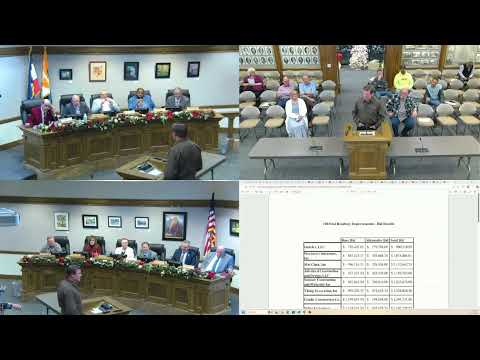
Cedar City on Dec. 10 adopted a water use and preservation element to its general plan, a change consultants said is required by a new state law and intended to strengthen local drought resilience.
Ridley Griggs of Hansen, Allen & Luce told the council the state this year “required every city's general plan … to have a water use and preservation element that meets certain requirements.” Griggs outlined examples from other Utah cities and recommended forming a committee to move implementation priorities forward.
The consultant said one immediate policy area is irrigation controllers: several Utah cities require or incentivize smart controllers for new developments and for public projects, which staff can inspect at the time of construction. “San Joaquin City … have required smart controllers for certain types of projects,” Griggs said, noting enforcement options and incentives for existing users.
Councilmembers pressed staff on enforceability and whether the plan commits the city to specific engineering standards. Staff told the council changes to construction standards (for example, requiring smart controllers at final inspection) would be handled through engineering standards or code updates, not the general plan itself.
Councilmember [mover recorded in the transcript] moved to adopt the water use and preservation element; the motion was seconded and carried in open session. The adoption brings Cedar City into compliance with the statutory deadline and asks staff to return with details for implementing recommendations in the plan.
The council’s action now allows staff to pursue committee formation, refine draft ordinance language where needed, and recommend incentives and inspection strategies for irrigation devices. The city did not adopt any immediate mandatory hardware requirements beyond directing staff to develop options and next steps.