Get Full Government Meeting Transcripts, Videos, & Alerts Forever!
Get email alerts on the Wildfire Mitigation topic
No spam. Unsubscribe anytime.
Draper City crew outlines brush-cutting, burn-pile and mulching tactics to limit canopy fires
Summary
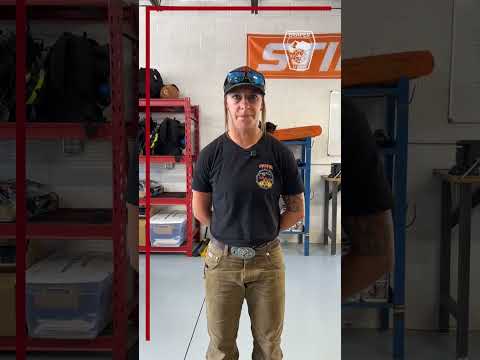
Riley Porter of the Draper City Wildland Fuels Crew described the team’s approach to wildfire risk reduction: cutting understory, creating burn piles for winter prescribed burns, mulching with a skid steer and chipping material to keep fires low and prevent them from reaching tree canopies.
Riley Porter, a member of the Draper City Wildland Fuels Crew, described the crew’s day-to-day fuel-reduction work and the tactics used to reduce the risk that wildfires will reach tree canopies. “We run big saws all day and cut down big trees and brush,” Porter said, explaining that sawyers and swampers work together to cut and pile understory material.
Porter said crews either form burn piles to be cleared in winter with prescribed burns or use a skid steer fitted with a mulching head to grind material, and that they also chip cut pieces. “The reason why we make piles is either we'll make burn piles so that next season in the wintertime, we can go back and either do, like, a prescribed burn,” Porter said. He added that chipping and mulching also “makes it kinda look a little nicer.”
Porter described the crew’s operational roles: sawyers operate chainsaws to fell trees and remove brush while swampers collect and arrange cut material into piles for later treatment. He said crews work along trails and at the edges of vegetated areas to reduce continuous fuels that could carry fire into tree canopies. “We'd rather it be like a creeping fire more than anything. We don't want it to get up into those trees and those canopies,” Porter said.
According to Porter, the work creates a break between surface fuels and canopy fuels so that, if a fire does ignite, it is less likely to transition into a crown fire. He described routine tools and techniques — burn piles, mulching heads on skid steers and chippers — but did not provide specific acreages, budgets or schedules for the work. Porter said residents will commonly see crews “around trails cleaning up, on the sides.”